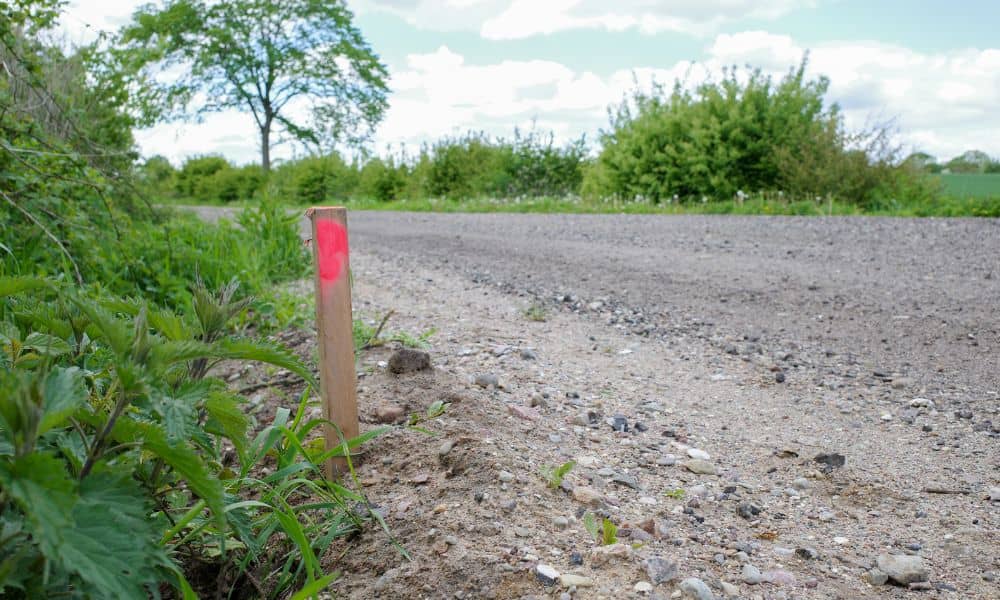
If you drive past a quiet piece of land and suddenly notice bright flags or wooden stakes in the ground, you might wonder what is going on. Many residents feel the same way. One day the land looks empty. Then the next day survey markers appear across the field. Naturally, people start asking questions. Is a new building coming? Will traffic increase? What will the area look like once construction starts? However, those stakes do not mean the project started overnight. In most cases, construction staking happens after many months of planning and review. By the time surveyors place markers in the ground, engineers and city officials have already spent a long time working on the project behind the scenes. For many residents, this moment — when survey flags and stakes first appear — is simply the construction staking stage of a project, even though the planning began long before anyone noticed activity on the land.
Because most of that work happens out of public view, development can feel sudden even when it has been planned for a while.
Why Development Often Feels Sudden to Residents
Most people notice development only when something changes on the land. A field may look the same for months or even years. Grass grows, trees stay, and nothing looks different from the road.
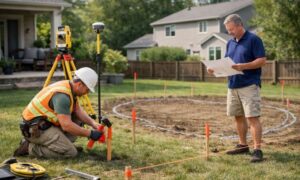
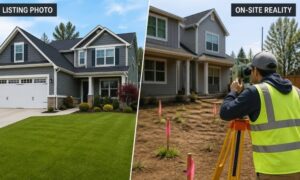
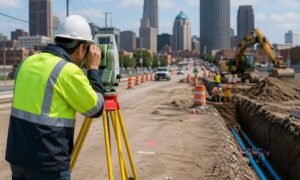
Then one day a survey crew arrives. Bright flags, stakes, and tools appear across the land. As a result, the site suddenly looks active.
That moment often brings curiosity and concern from nearby residents. People begin asking what the project will bring to the area. They might talk with neighbors, search online, or discuss the project in community groups.
Yet the truth is that planning likely began long before those stakes appeared. The land may have been studied, measured, and planned for months before anyone noticed a change. For many residents, this is simply the moment when construction staking begins on a site, even though the planning started much earlier.
Therefore, when construction staking becomes visible, it feels like the project started right away, even though the process began much earlier.
What Construction Staking Actually Means
Many people believe survey stakes mean construction has already started. In reality, construction staking is one of the last steps before building begins.
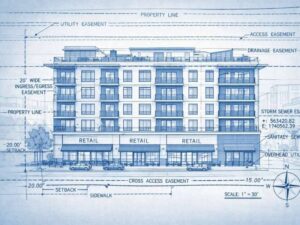
Engineers first create detailed plans for a site. These plans show where buildings, roads, sidewalks, and utilities should go. However, those designs exist only on maps and computer screens.
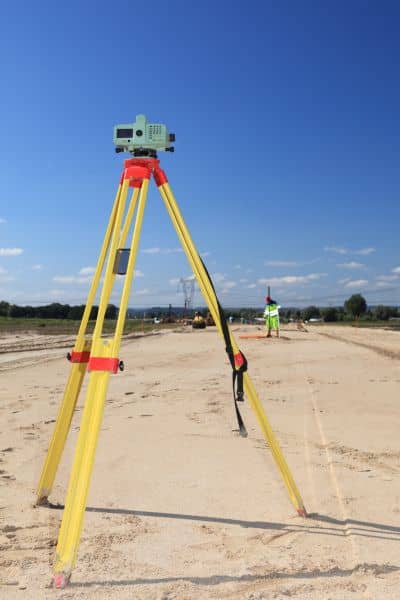
Surveyors bring those plans to the land.
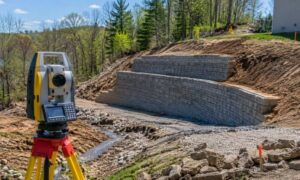
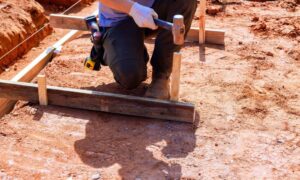
During construction staking, surveyors mark the exact spots of important features on the ground. Stakes and flags may show building corners, road paths, drainage areas, and utility lines.
Contractors use these markers to guide their work. For example, digging crews use the stakes to know where foundations and trenches should begin.
Without clear construction staking, crews would not know where to build. Even a small mistake could move a building or road to the wrong place.
The Planning That Happens Before Survey Stakes Appear
When residents first notice survey stakes, it may seem like a project just appeared. However, several steps usually happen long before construction staking begins.
First, developers study the land. They check how the site connects to roads and utilities. They also review zoning rules to see what type of project the land allows.
Next, surveyors measure the property. They find the land boundaries and collect details about the ground. Engineers use this information to design the project safely.
After that, engineers create plans showing how the site will work. These plans include parking areas, drainage systems, building locations, and access roads.
Finally, local governments review the plans. Officials check that the project follows rules and safety standards before they approve construction.
All of this work happens before any stakes appear on the land. Yet from the outside, the property may still look the same during that time.
As a result, the first clear sign of development often becomes construction staking.
Why Conversations Often Start When Stakes Appear
When survey flags and stakes appear, people notice them right away. The markers stand out in grass or soil, so they draw attention.
Soon after, conversations begin. Residents may ask neighbors if they know what is coming. Some people look up city records. Others talk about the project online.
In many places, the first photos of a new project appear online as soon as survey stakes show up.
However, the stakes themselves are not usually the real concern. Instead, they signal that construction will begin soon. People start thinking about traffic, noise, or changes to the neighborhood.
Because of that, construction staking often becomes the moment when the public first learns about a project.
Why Accurate Construction Staking Matters
While residents may see survey stakes as a sign of change, builders see them as a guide for accuracy.
Construction projects need exact measurements. Buildings must stay inside property lines. Roads must connect properly with nearby streets. Drainage systems must flow the right way.
Construction staking helps contractors follow these measurements. Surveyors place each stake using precise tools and verified points.
As a result, contractors know where to dig, build, and place utilities. Clear markers help crews avoid confusion and prevent mistakes.
For developers and property owners, this accuracy matters. When a project starts with the correct layout, construction can move forward more smoothly.
Understanding the Moment When Development Becomes Visible
Development projects often begin quietly with planning, design, and review. These steps take time, yet they happen mostly out of public view.
Because of that, residents usually notice the project only when activity appears on the land.
Construction staking often marks that turning point. Survey flags and stakes show that plans are about to move from paper to the real world.
Although the stakes may look like the start of construction, they actually show the final step before building begins.
So when residents question a project after seeing survey stakes, their reaction makes sense. The development suddenly becomes visible. Yet in reality, the planning work behind that project likely started long before the first stake touched the ground.