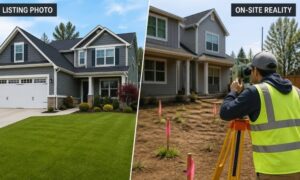
At first glance, a flat site in Toledo can look easy to build on. The ground seems level. The layout feels simple. Everything looks ready to go. However, many property owners and developers find out later that flat land can hide serious problems. That’s when looking at lidar mapping data starts to make sense, because it helps show what’s really happening across the surface.
Before construction begins, even small changes in elevation can affect how water moves across a site. A difference of just a few inches can lead to pooling, runoff issues, or costly fixes later. So while the land may look perfect on the surface, what’s happening underneath can tell a very different story.
Why Flat Land Can Be Misleading
Flat land does not always mean simple. In many cases, it creates more risk.
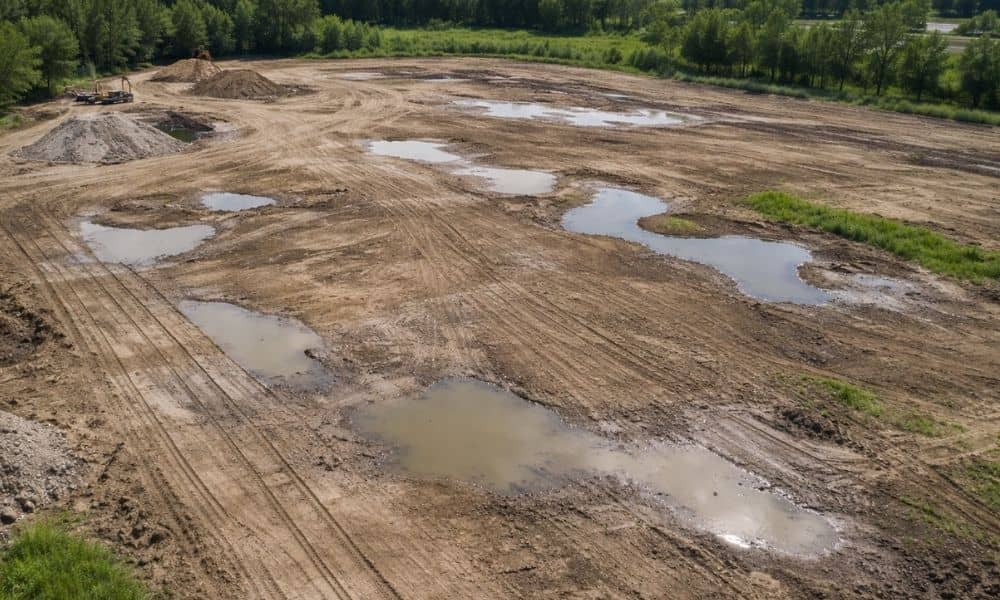
On sloped land, water has a clear path. It moves downhill and drains away. On flat land, things work differently. Water moves slowly, and sometimes it does not move at all. Instead, it spreads out and settles in low areas.
In Toledo, this happens more often than people expect. Many sites have small grade changes that are hard to notice. To the eye, everything looks even. But water reacts to every slight dip and rise.
Because of that, a site that looks fine on a sunny day can turn into a problem after the first rain.
Where Early Decisions Go Wrong
Most issues do not begin during construction. They start much earlier.
At the start of a project, teams often do a quick review. They walk the site or check a few elevation points. From there, they assume the land drains well enough.
That is where problems begin.
A few data points cannot show the full surface. Small dips get missed. Subtle ridges go unnoticed. As a result, early decisions are based on incomplete information.
Once design moves forward, those hidden issues stay buried until it is too late.
What LiDAR Mapping Shows That Others Miss
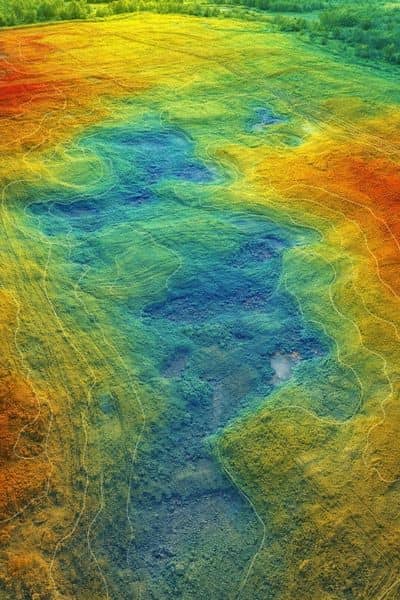
This is where lidar mapping really helps. Instead of relying on a few spot checks, it scans the entire surface and collects thousands of data points across the site. Because of that, you begin to notice things you would not catch just by walking around, like a more detailed surface view of how the ground actually sits.
That makes it easier to spot shallow areas where water may collect, along with slight slopes that change how it flows. You may also notice uneven sections across the site, as well as small transitions that can affect grading.
In the end, you are not guessing anymore. You have a clearer sense of how the land will behave before any work begins.
Small Elevation Changes, Big Drainage Problems
On flat sites, even tiny changes can cause big issues.
For example, a low spot that is only a few inches deep can hold water after every rain. Over time, that water can damage pavement, weaken soil, or leave standing puddles.
In other cases, water may move in the wrong direction. It might flow toward a building pad instead of away from it. It can even spill onto nearby lots, which may lead to complaints or disputes.
Because these changes are so small, they often go unnoticed at first. But once construction starts, they become much harder to fix.
What Happens When These Issues Get Missed
When drainage problems show up during construction, everything slows down.
Crews may need to stop work. Engineers step in to review the issue. Plans get adjusted. Then grading crews return to reshape the site.
Each step adds time. Each change adds cost.
Sometimes, the problem does not show up until after construction is complete. That is even worse. Fixing drainage at that stage often means tearing up finished work.
What seemed like a simple project can quickly become stressful and expensive.
Why These Problems Show Up Late
It is easy to wonder why these issues do not show up earlier.
The reason is simple. Many drainage problems only appear once conditions change.
When clearing begins, the surface shifts. When grading starts, water paths change. After rain hits exposed soil, the true flow pattern becomes clear.
By that point, the project is already moving forward.
That is why early clarity matters. Without it, teams end up reacting to problems instead of avoiding them.
When to Use LiDAR Mapping on Toledo Sites
Timing plays a big role in preventing these issues.
Lidar mapping works best before key decisions are finalized. That means using it early in the process.
It is especially helpful when:
- The site looks flat with no clear drainage direction
- The project includes parking lots or large paved areas
- The land has been used before and may be uneven
- Drainage performance matters long-term
Using lidar mapping at this stage gives you a clearer understanding of the site before design begins.
Why Flat Sites Need More Precision
Flat land may seem easier to work with, but it actually requires more precision.
On sloped sites, water movement is obvious. Mistakes are easier to spot. On flat land, everything can look fine at first.
That is what makes it risky.
Small errors can have bigger effects. Even slight elevation changes can shift how water behaves across the site.
That is why detailed surface data matters more in flat areas.
Better Data Leads to Smoother Projects
When you start with better data, the rest of the project runs more smoothly.
Design teams can create more accurate grading plans. Engineers can place drainage features with confidence. Contractors can move forward without constant changes.
As a result, projects stay on track.
There are fewer surprises, less rework, and better results overall.
Flat Does Not Mean Problem-Free
A flat site may look simple, but it often hides risks that are easy to miss.
Water follows even the smallest changes in elevation. If those changes go unnoticed, problems will show up later.
That is why lidar mapping matters. It helps reveal what is not obvious and gives teams the clarity they need from the start.
In the end, the goal is simple. Understand the land before you build on it. When you do that, you avoid surprises and set your project up for success.