A trench collapse on a construction site does more than stop work. It raises hard questions about safety, planning, and responsibility. That is exactly what happened recently in Ohio. News of the collapse spread fast, not because trench accidents are new, but because they remain preventable. As a result, many people are looking again at what should happen before excavation begins. This moment matters for owners, developers, and contractors. It also brings renewed attention to the role of the construction surveyor. While surveyors often work behind the scenes, their early involvement can shape jobsite safety in real and lasting ways.
When a Trench Collapse Becomes Everyone’s Problem
A trench collapse rarely affects only one crew. Instead, it can shut down an entire project. Work stops. Investigators arrive. Schedules slip. Costs rise. In some cases, legal and insurance issues follow.
Because of that, clients often ask the same question afterward: How did this happen? In many cases, the answer starts long before the first bucket of soil comes out of the ground.
Although trench safety involves shoring, soil classification, and crew training, it also depends on accurate site information. That is where the construction surveyor comes in.
Safety Starts Before the Excavator Arrives
Most people think of safety as something handled in the field. Hard hats, trench boxes, and safety meetings come to mind. Those things matter. However, they rely on one key factor: correct information.
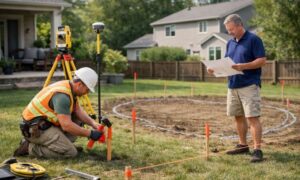
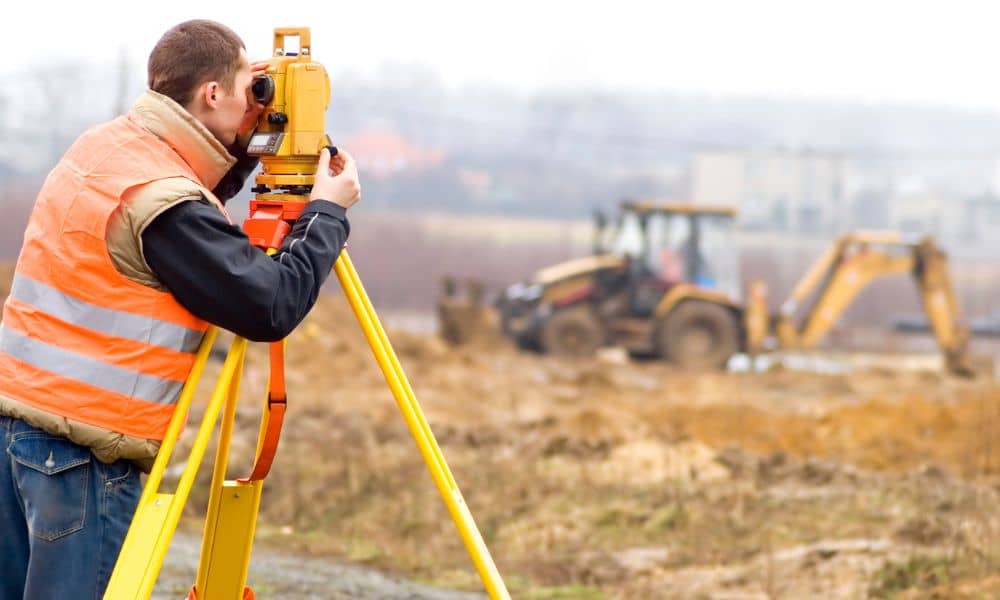
A construction surveyor helps provide that information. Before excavation begins, the surveyor verifies grades, elevations, and layout. This step sounds simple, but it sets the foundation for every decision that follows.
If a plan assumes the ground sits six inches lower than it really does, trench depth changes. If slope or drainage varies from the drawings, soil behavior changes. Over time, small errors stack up. Eventually, they can create unsafe conditions.
Why Plans Alone Are Not Enough

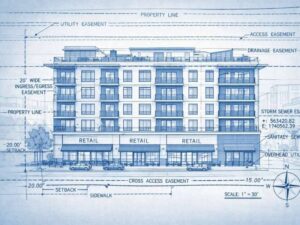
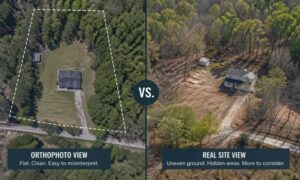
Construction plans often rely on older surveys or assumed data. While engineers design carefully, the site may change between design and construction. Weather, erosion, or nearby work can alter conditions.
That is why relying only on drawings creates risk. A construction surveyor compares the plan to the real site. When something does not match, the issue comes to light early. As a result, teams can adjust before excavation begins.
This step protects both workers and owners. It also reduces surprises that slow projects later.
The Surveyor’s Role in Excavation Safety
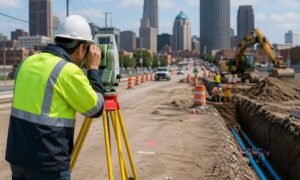
A construction surveyor does more than mark lines. Before trenching, the surveyor helps confirm:
- Accurate elevations that control trench depth
- Horizontal layout that matches approved plans
- Control points that crews rely on for alignment
- Conflicts between design assumptions and field conditions
Each of these checks supports safer decisions. When crews know the true depth and slope, they can plan proper shoring. When alignment stays correct, trenches do not drift deeper or wider than expected.
Because of this, surveying becomes part of risk management, not just layout.
How Small Errors Turn Into Big Problems
Many trench accidents trace back to small issues. An extra foot of depth changes soil pressure. A slight grade change alters drainage. These shifts affect stability.
When survey verification does not happen early, crews may adjust in the field. They might dig a little deeper to meet pipe elevations. They might cut a steeper wall to stay on line. Each choice increases risk.
Later, when investigators review the incident, they often look at early documentation. They ask whether teams confirmed site conditions. They review who verified elevations. In many cases, survey gaps become part of the story.
Why Owners and Developers Should Care
Some clients see surveying as a required step, not a safety tool. However, trench collapses change that view quickly.
From an owner’s perspective, a collapse can lead to:
- Work stoppages and missed deadlines
- Increased insurance attention
- Higher legal exposure
- Lender concerns about oversight
By involving a construction surveyor early, owners reduce these risks. Clear site data supports safer excavation and smoother inspections. It also shows due diligence if questions arise later.
Increased Scrutiny After High-Profile Incidents
After serious accidents, regulators and insurers pay closer attention. Ohio projects now face that reality. Inspectors look more closely at documentation and pre-construction planning.
This environment rewards proactive teams. When survey records show verified control and elevations, reviews move faster. When teams skip those steps, delays follow.
Because of that, many contractors now involve surveyors earlier than before. They understand that prevention costs less than correction.
Reframing the Value of a Construction Surveyor
For years, many people viewed survey work as a line item. It marked the start of construction and faded into the background. That view no longer holds.
Today, a construction surveyor plays a key role in safety and coordination. Survey verification reduces guesswork. It supports engineering intent. It also protects everyone on site.
Instead of asking, “Do we need surveying now?” better teams ask, “What risks can surveying help us avoid?”
Lessons From the Ohio Trench Collapse
The recent Ohio trench collapse reminds the industry of a simple truth. Jobsite safety does not start in the trench. It starts with accurate information.
When construction surveyors confirm site conditions early, teams build safer projects. They reduce surprises. They protect workers. They also protect schedules and budgets.
As projects grow more complex and scrutiny increases, the construction surveyor moves back to the center of jobsite safety. That role matters now more than ever.
For prospective clients, this moment offers clarity. Investing in early survey involvement is not extra. It is essential.