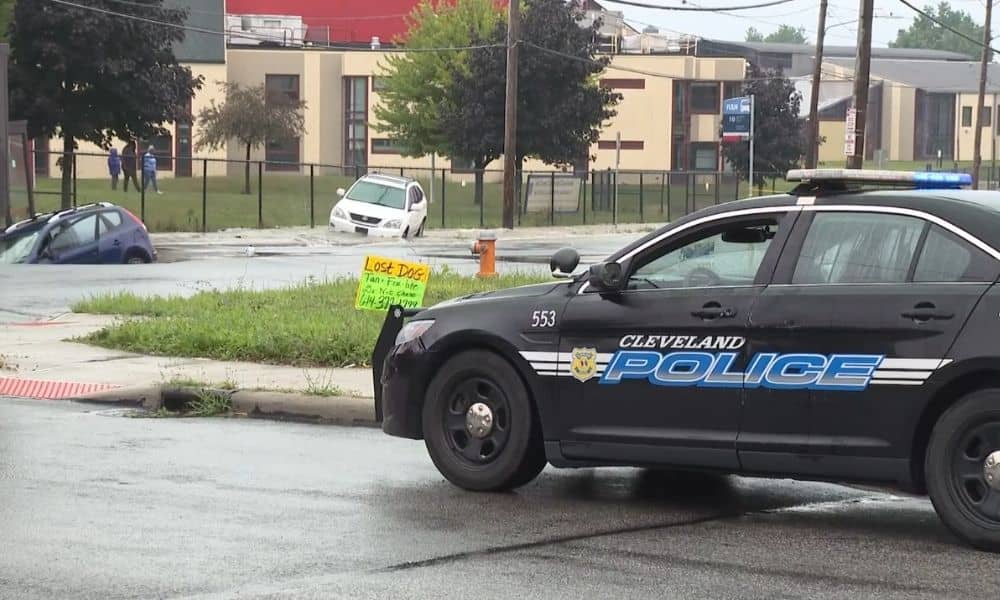
Heavy rain can make any city nervous—but in Northeast Ohio, especially in cities like Cleveland, the past few days have been a reminder of how fast water can change everything. Viral clips and images, like the one above, showed streets turned into rivers, cars stuck in rising water, and entire neighborhoods bracing for impact. For homeowners and buyers, these scenes are more than just headlines—they bring up a serious question: do I need a flood elevation certificate?
A flood elevation certificate is a report prepared by a licensed surveying company that shows how high your home or building sits compared to the base flood elevation set by FEMA. It proves whether your structure is likely to face flood risk. Without it, you may face higher insurance premiums, closing delays, or even deal-breaking surprises in real estate transactions. After Cleveland’s latest flash floods, the urgency of this document has never been clearer.
Floods Don’t Move Boundaries, But They Raise New Risks
When stormwater rushes through a neighborhood, property lines don’t change. Your legal boundary is set by deeds and monuments, not by where floodwater flows. Yet flooding can bury or wash away survey markers, shift creek banks, and raise doubts about where the safe building zone really is. That’s why surveyors often get calls right after major rain events. The issue is not about redrawing the line—it’s about protecting what’s on the line.
This is where the flood elevation certificate enters the picture. Insurance companies, lenders, and city officials use it to decide how risky a property is. Even if your home wasn’t damaged, the fact that your street was under water can trigger a closer look. And in a city that sits along Lake Erie and the Cuyahoga River, storms like the one we just had are a reminder that risk maps don’t stay the same forever.
Why Buyers and Sellers Care
If you are buying a house, your lender may not release funds until they know if the property is in a flood zone. If FEMA maps say there’s a chance, the bank will likely ask for a flood elevation certificate before closing. Without it, the process can stall. Sellers face the same issue: a deal can collapse if buyers don’t have clear information on flood risk.
The certificate also matters for insurance. A property that looks like it’s in a high-risk zone might not actually be at risk if the house sits several feet above the base flood level. With a certificate, you could save hundreds of dollars each year on flood insurance. Without it, you might pay premiums that don’t reflect your true situation. In a competitive housing market like Cleveland, that difference can change whether a buyer says yes or walks away.
The Local Picture After Heavy Rain
Cleveland has a mix of older neighborhoods with aging drainage systems and new developments near creeks or wetlands. When storms hit, water often gathers in low-lying areas that already struggle with runoff. Homeowners have seen this firsthand. After the latest round of flooding, surveyors expect a wave of calls from property owners who never thought flood risk applied to them.
This is not just a rural problem or a riverfront issue. Flash floods in city streets can also trigger insurance reviews. Even if your home sits on a hill, your lender may ask for proof. The flood elevation certificate becomes the way to calm fears, confirm safety, and move forward with confidence.
How Surveyors Create the Certificate
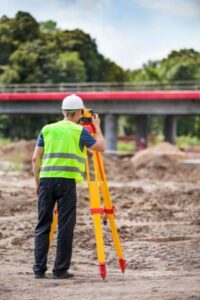
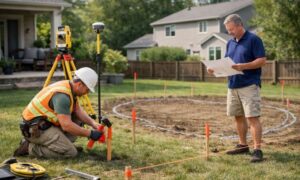
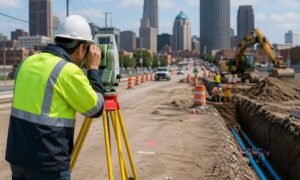
Getting a flood elevation certificate is not as complex as it sounds, but it does require a licensed land surveyor. The process starts with fieldwork, where the surveyor measures the exact height of your building’s lowest floor, foundation, and adjacent grade. These numbers are compared to FEMA’s base flood elevation for your area. The results go into a standardized form that insurance companies and lenders understand.
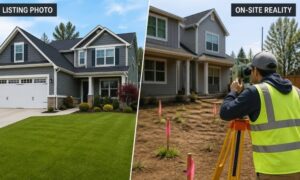
In Cleveland, surveying experts for flood zones know that maps alone aren’t enough. They combine local GIS data, drainage records from the Northeast Ohio Regional Sewer District, and FEMA floodplain information with on-site measurements. That mix creates a clearer picture of risk—one that gives homeowners peace of mind and helps real estate professionals keep deals on track.
Developers and Contractors: Extra Stakes
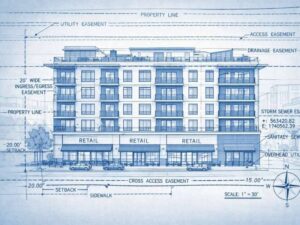
The importance of a flood elevation certificate goes beyond homeowners. Developers planning subdivisions or commercial sites need this data to meet zoning and building code requirements. A certificate can influence where buildings go, how foundations are designed, and whether extra stormwater controls are required. Ignoring it can mean expensive redesigns later.
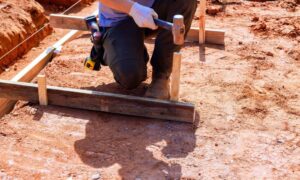
Contractors, too, benefit from clarity. A site that looks dry today may become a problem during the next heavy rain. Having the certificate early avoids surprises when inspectors or lenders review the project. In short, it’s a document that prevents risk from turning into cost.
Why Timing Matters Now
Flood risk is always a concern, but timing is everything. After a visible storm event, insurers and lenders are on high alert. Waiting until the last minute to order a flood elevation certificate can delay closings, push back loan approvals, or even force buyers to walk away. Acting early—especially after Cleveland’s recent floods—shows preparation and avoids panic.
This urgency also plays out in property values. A seller who can hand over a recent certificate has a stronger position. Buyers who see proof of low risk are less likely to renegotiate or demand concessions. In a market where every edge counts, the timing of this document can make or break a deal.
The Bottom Line
Cleveland’s recent flash floods were a wake-up call. They reminded us that water doesn’t just flow down streets—it flows into the decisions banks, insurers, and buyers make. A flood elevation certificate is the key that unlocks clarity in these moments. It doesn’t stop storms, but it makes sure your home or property is understood, valued fairly, and protected from surprise costs.
For homeowners, it means knowing your real risk. For buyers and sellers, it keeps the deal on track. For developers, it protects projects from costly delays. And for Cleveland as a whole, it means moving forward smarter after every storm.
So the next time rising waters make the news, remember: your property’s future may depend on a piece of paper that proves just how high above the flood you really stand.