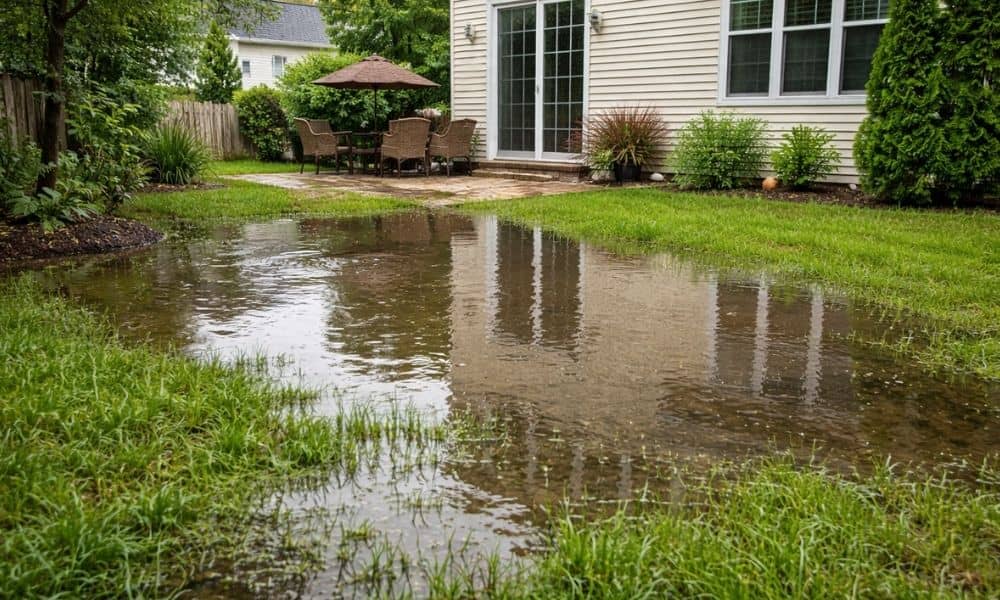
After the recent storms in Ohio, many homeowners in Columbus started to see their property in a new way. At first, it was just heavy rain. However, as the days passed, people noticed water sitting in yards, slow drainage, and damp areas that did not dry up right away. Because of this, new questions came up. Homeowners began to wonder if their land handled water the way it should. At the same time, some started hearing about an elevation certificate—sometimes from insurance, sometimes from a neighbor, and sometimes from their own research.
Now, some are starting to wonder why an elevation certificate is being requested, especially after seeing how their property handled the recent storms. So why is this happening now?
What the Storms Showed That People Missed Before
Strong storms often reveal what normal weather hides. During light rain, water drains slowly and quietly. However, when heavy rain hits, the ground fills up fast. As a result, water spreads across areas that usually stay dry.
In Columbus, this matters a lot. Many homes sit on flat land. Because of that, water does not always flow away quickly. Instead, it collects in low spots, moves across yards, and sometimes pushes closer to the home.
After the storms, many homeowners saw this for the first time. They noticed water sitting near the foundation. They also saw puddles that stayed longer than expected. In some cases, nearby creeks or drainage paths filled up faster than usual.
Because these changes felt new, people started to question their property. They wanted to know if the issue was temporary or something more serious.
Why the Elevation Certificate Is Being Requested More Often
When homeowners start asking questions, they look for clear answers. At the same time, insurance providers may also take a closer look at properties after strong storms.
This is where an elevation certificate becomes useful. After seeing how water behaves around their home, many homeowners start to wonder what it really means for their property and when you might need an elevation certificate if those conditions keep happening.
It shows how high a home sits compared to expected flood levels. Because of that, it helps explain whether a property stands at a safe height or closer to risk.
After a storm, this kind of information becomes important. Homeowners do not want to guess. Instead, they want to understand their situation with real data.
So even if a property never had issues before, the recent storms can bring new attention to it. That is why more people in Columbus are being asked for this document now.
How a Storm Can Change the Way You See Your Property
Before the storms, most homeowners felt confident about their land. If nothing had gone wrong in the past, there was no reason to worry.
However, once water appears in new places, that confidence starts to shift.
You begin to notice details you once ignored. For example, you may see how water flows across your yard. You may also notice slight slopes or dips that were not obvious before.
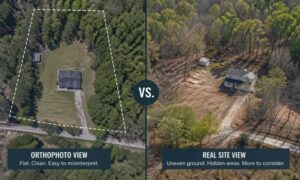
Because of this, your view of your property changes. What once seemed flat may now look uneven. What once seemed dry may now feel vulnerable.
This shift matters. It pushes homeowners to learn more and take action.
When an Elevation Certificate Starts to Make Sense
Not every home needs an elevation certificate. However, after a storm, it can become a smart step.
For example, if water reached areas close to your home, you may want to understand why. If your yard stays wet longer than others nearby, that may also raise questions.
In these moments, guessing does not help.
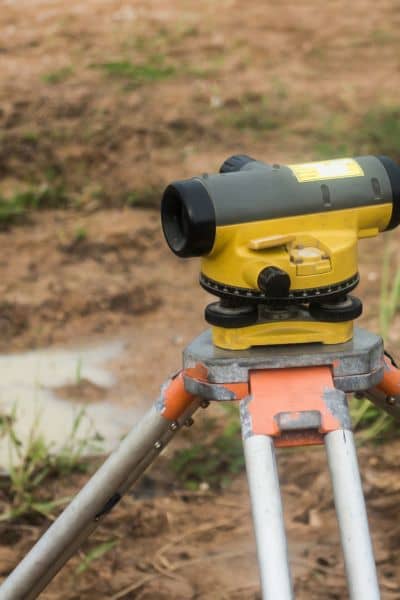
An elevation certificate gives a clear picture of how your home sits in relation to flood levels. Because of that, it helps remove doubt.
Instead of wondering if your home is at risk, you can look at actual measurements and make better decisions.
Why This Is Becoming More Common in Columbus
Over time, weather patterns have started to change. Storms now bring heavier rain, and they do it more often. Because of that, the ground reaches its limit faster.
At the same time, homeowners now pay closer attention. They share what they see, talk to neighbors, and compare experiences.
Because of this growing awareness, more people start asking the same questions:
- Is my home in a safe spot?
- Does water move toward or away from my house?
- Should I check my flood risk?
As these questions become more common, so does the need for clear answers. That is why the elevation certificate is coming up more often across Columbus.
Looking at Your Property with Fresh Eyes
After a major storm, it helps to slow down and observe your property.
Watch how water moves during and after rain. Notice where it collects and how long it stays. Also, look at how your yard compares to nearby homes.
These small observations can tell you a lot. They can show patterns that were easy to miss before.
Because of this, many homeowners begin to understand their land better. They start to see how shape, slope, and elevation affect water flow.
And once they see these patterns, they want to confirm them.
Why Acting Early Can Save You Trouble Later
When it comes to water, small signs often lead to bigger issues over time. A wet spot today may turn into a long-term concern if it keeps happening.
Because of that, it is better to act early.
An elevation certificate can help you understand your situation before problems grow. It gives you a clear starting point, so you can plan ahead.
Instead of reacting after damage occurs, you stay in control.
Final Thoughts
The recent Ohio storms changed more than just the weather. They changed how many Columbus homeowners see their property.
Because of what people noticed—standing water, slow drainage, and shifting patterns—questions about flood risk are now more common.
That is why more homeowners are being asked for an elevation certificate.
It is not just a form. It is a way to understand your land and make informed decisions.
If the storms made you look at your property differently, you are not alone. Many others are doing the same.
And sometimes, getting clear answers is the best next step.