If you own land in rural areas, you might assume your property lines sit exactly where the old maps show them. But many parcels in our state were first measured in the early 1800s, long before modern tools existed. That is why drone surveys play a huge role today. They help surveyors check old records, fix mistakes, and give landowners a clear picture of what they actually own. This matters more than most people realize, especially when old descriptions don’t match the land on the ground.
Ohio uses something called the Public Land Survey System, or PLSS. It’s a grid the government used long ago to divide land into townships, ranges, and square-mile sections. Back then, surveyors walked miles with chains and compasses. They used wooden stakes or rocks for corners. Many of those markers are gone now. Some were moved. Others rotted or settled into the soil. And with farmland changing over time—fences added, fields cleared, creeks shifting—old errors begin to show up during modern surveys.
These issues don’t sound exciting until they affect you. A missing corner can change your acreage. A fence that seems correct might sit in the wrong place. When you try to split land, sell it, or build on it, even a small mistake can delay the entire project. That’s why surveyors work hard to compare today’s field conditions with PLSS records. And drones, paired with a licensed surveyor’s expertise, make that work faster and more accurate.
Why PLSS Errors Still Exist Today
To understand why drones matter, it helps to know how PLSS problems happen. Early survey crews didn’t have GPS. Their chains stretched. Compasses drifted. Weather, hills, forests, and rivers caused more mistakes. Over time, people built fences based on guesswork or convenience. Some deeds were copied by hand and passed along for generations.
Fast-forward 200 years, and those small errors add up. Two farmers may both believe the fence marks the true line, even if the PLSS description says otherwise. A family wanting to split land might discover the tract is slightly larger—or smaller—than the deed says. These issues confuse landowners and sometimes create disputes no one expected.
Modern surveyors can fix these inconsistencies, but it takes a careful look at the entire area. This is where drones shine.
How Drone Surveys Capture the Full Picture
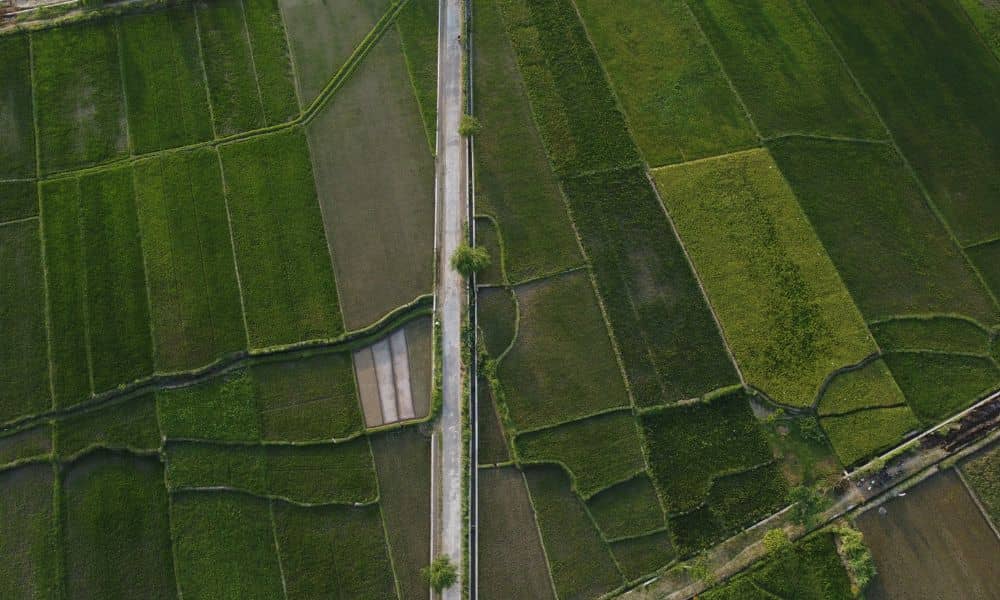
Drones help surveyors see land in a way that isn’t possible from the ground. One flight covers large fields, wooded areas, and uneven terrain in minutes. The drone collects high-resolution photos and elevation data that reveal patterns on the land—patterns tied to clues in the old PLSS notes.
For example, original survey records might mention a small rise, a creek bed, or a tree line near a section corner. Many of those features still exist. A drone’s aerial view makes them easy to spot. When a surveyor matches these natural features with historic notes, they can find lost corners or verify old ones with much more confidence.
Drone surveys also show how the land changed. Erosion may shift soil downhill. Farming may level small mounds or cut new drainage paths. Old fences might cross boundaries at odd angles. Seeing these details from above helps surveyors understand what happened since the original PLSS survey and how to correct it.
Making Sense of Land That Doesn’t Match the Map
Sometimes a property looks square on paper but does not fit the ground. A drone flight reveals slight bends or angles that point to a PLSS error. Maybe a corner was replaced in the wrong spot decades ago. Maybe a measured distance was off by a few feet. When the whole section is visible at once, surveyors can see what aligns—and what doesn’t.
Here’s a simple example. Imagine two farms sharing a long boundary. Both owners assume the fence marks the true line. But the PLSS description says the line should follow a ridge no longer visible from the ground. A drone image shows the ridge shape clearly, allowing the surveyor to compare the land’s real topography to the original layout. With this information, the surveyor can confirm the correct location and help both neighbors understand the result with confidence.
How Drone Surveys Help Farmers and Rural Landowners
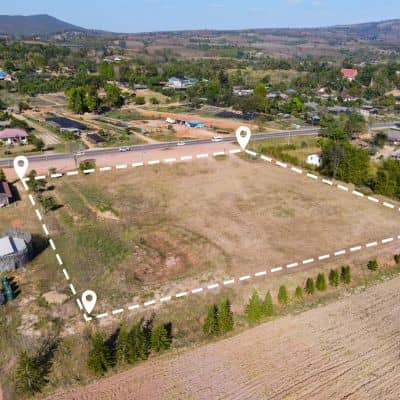
Drones aren’t only for solving problems. They help prevent them. If you plan a land split, a survey with drone imagery shows the parcel’s exact shape before you file anything with the county. If you inherit land and need to know the acreage, drones give a solid picture of what you’re dealing with. And if you’re buying rural property, a drone survey helps you catch boundary issues before you invest.
Because drones cover large areas fast, they give farmers and landowners an accurate, updated view of their property. This saves time, reduces confusion, and helps avoid disputes. Surveyors also use the drone data to create surface models that show slopes, drainage, and field changes. These details matter when you plan fences, driveways, barns, or new home sites.
Why Surveyors Still Matter More Than Ever
Even though drones are powerful tools, they don’t replace surveyors. A drone cannot read PLSS notes. It cannot decide where a corner should be or certify a boundary. Only a licensed surveyor has the training to compare drone data with deeds, state rules, and historic records.
Think of drone surveys as giving the surveyor a clearer starting point. Instead of guessing or spending days walking fields, the surveyor studies the drone data, finds patterns, and then measures key points on the ground. This combination of technology and expertise produces accurate results you can trust.
When Rural Landowners Should Consider a Drone Survey
Many landowners benefit from a drone survey long before problems appear. It’s a smart choice when you plan to:
- Buy or sell rural land
- Divide property among family members
- Build near the edge of your parcel
- Check fences or access paths
- Confirm acreage for farming
Since every parcel ties back to PLSS in some way, understanding how your land fits into the original grid prevents headaches later.
Bringing the Past and Present Together
Ohio’s rural landscape holds two centuries of history beneath its fields and fence lines. The PLSS grid shaped our land, but time changed the details. Drone surveys help reconnect today’s land with yesterday’s records. They give surveyors the full story, and they give landowners clarity.
With drones and modern surveying tools, we can correct old errors, protect property rights, and plan with confidence. When you need a clear and accurate picture of your land, a drone survey is one of the smartest steps you can take.