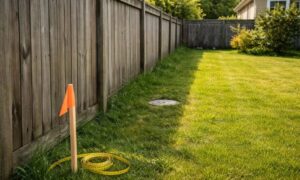
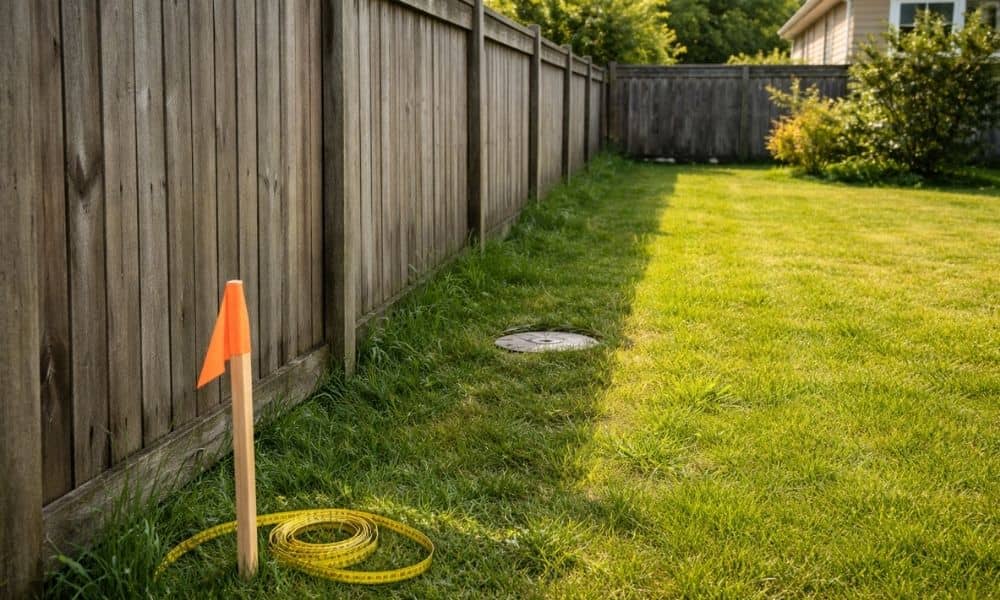
Have you ever looked at your backyard and thought something felt off? Maybe there’s a narrow strip of land behind your fence. It looks like part of your yard. You might even mow it. Still, something doesn’t seem right. There could be a sewer lid, a dip in the ground, or just an open space that no one talks about. So you ask yourself: “Is that mine?” “Can I use it?” At first, it feels like a small question. However, it can turn into a bigger issue if you guess wrong. That’s where a property survey becomes important; it’s one of the few ways to really understand what’s actually part of your property without having to guess.
Why That Extra Strip Exists
That strange strip behind your fence is not random. In many cases, it was planned that way from the start.
First, some neighborhoods include utility corridors. These areas hold sewer lines, drainage paths, or underground pipes. Workers need access to them. Because of that, the space stays open.
Next, some lots have easements. This means part of the land has limits. You might own it, or you might not. Either way, you cannot use it freely.
Also, older neighborhoods often have leftover spaces from early planning. These strips helped manage water, access, or future changes. Over time, people forgot why they were there.
So even if it looks like part of your yard, it may serve a different purpose.
Why It Looks Like Your Yard
Now here’s where things get confusing. Grass grows across the whole area, and there are no clear lines. In many cases, fences do not match the true boundary. Instead, they follow what seems easy or natural.
As a result, you might take care of land that is not fully yours, or avoid land that actually belongs to you.
Because of this, what you see can be misleading. It might look clear at first, but when you really think about it, you don’t always see how your property is actually laid out.
Owning vs Using the Land
This is the part most people miss.
There is a big difference between owning land and using land.
For example:
- You might mow a strip of land, but that does not mean you own it
- You might plant flowers, but that does not mean you can build on it
- You might think it’s yours, but it could be shared or restricted
In some cases, you own the land but must keep it clear for drainage or access. In other cases, you don’t own it at all.
So before you make any changes, you need to know the truth.
Why Maps and Records Can Confuse You
You might try to check online maps or property records. That seems like a good step. However, these tools often cause more confusion.
Maps show clean lines. They look simple. Yet they don’t always match what’s on the ground.
Also, legal records can be hard to read. They may describe land using old terms or unclear directions.
Because of that, you may think you understand your lot when you really don’t.
That’s why a property survey matters. It connects the records to real measurements on your land.
What a Property Survey Shows
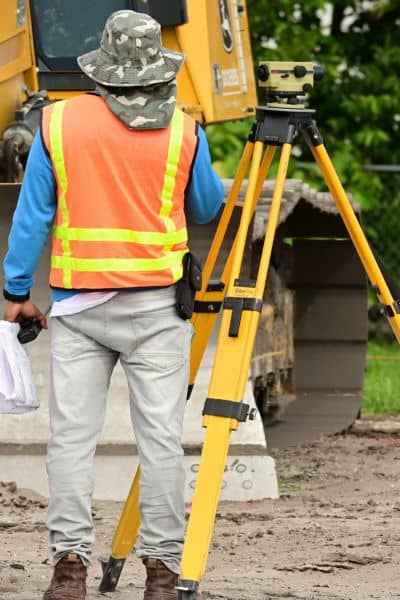
A property survey gives you clear answers.
First, it shows your exact boundary lines. You see where your land starts and ends.
Next, it shows any easements or restricted areas. This helps you understand what you can and cannot do.
It also points out physical features, like markers or pins in the ground. These mark the true corners of your property.
Most importantly, it removes guesswork. You don’t have to rely on what “looks right.”
When This Becomes Important
At first, that extra strip might not seem like a big deal. Still, it becomes important when you start making plans.
For example:
- You want to extend your yard
- You plan to build a shed or patio
- You want to fix drainage problems
- You prepare to sell your home
In each case, you need to know what space you can actually use.
Without that clarity, small changes can lead to bigger problems later.
Why Guessing Can Cost You
It’s easy to assume everything behind your fence belongs to you. However, that assumption can cost you.
You might build in the wrong place. Then you have to remove it.
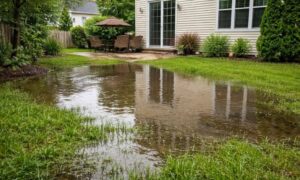
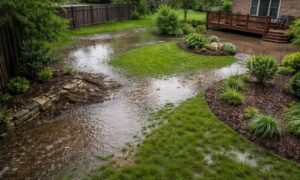
You might block drainage. Then water starts to collect in your yard.
You might run into issues during a sale. Then the deal slows down or falls apart.
Because of that, it’s safer to check first.
A property survey helps you avoid these mistakes before they happen.
How a Licensed Land Surveyor Helps
A licensed land surveyor does more than measure land.
First, they study property records. Then they visit your site and take precise measurements.
After that, they match what’s on paper with what’s on the ground. This step is key.
In the end, they give you a clear picture of your property. You know what you own, what you can use, and what to leave alone.
Because of their training, their work is accurate and reliable.
Clarity Before You Assume
That strange strip behind your fence might seem harmless. Still, it can raise real questions about your property.
It might be part of your lot. Or it might serve a different purpose, like drainage or access.
The problem is, you can’t tell just by looking.
That’s why a property survey matters. It gives you clear answers before you make decisions.
So if something about your yard doesn’t feel right, trust that instinct. It’s better to understand your property now than fix a problem later.