
If you’ve requested a construction survey quote and noticed the prices don’t line up, you’re not alone. Many property owners expect survey pricing to look uniform. After all, a survey is a survey — right? Not exactly. In reality, construction survey costs change based on scope, site conditions, precision needs, and what the surveyor must deliver at the end.
So instead of guessing why numbers differ, it helps to understand what goes into the price. Once you see how survey work actually happens, those quote differences start to make sense.
Construction Survey Work Includes More Than Field Stakes
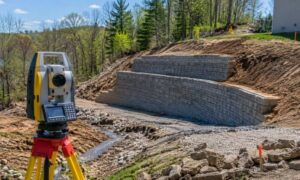
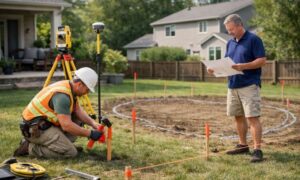
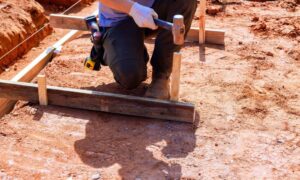
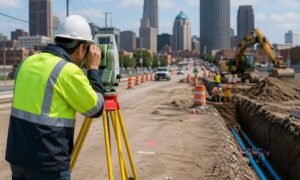
Most people picture a construction survey as a crew placing stakes in the dirt. That part is real — but it’s only one piece of the work. Behind every marked point sits a chain of measurements, calculations, and checks.
First, surveyors build a control network so every layout point ties back to a verified reference. Then they translate design plans into field coordinates. After that, they perform layout using precision instruments. However, the work doesn’t stop there. Office teams process the data, review tolerances, and prepare deliverables for engineers or contractors.
Because of this, a construction survey combines field labor and technical office time. When you review a quote, you’re paying for both.
Scope Changes the Price Faster Than Property Size
A common surprise comes from scope. Many clients assume larger land means higher survey cost. Yet feature detail often matters more than acreage.
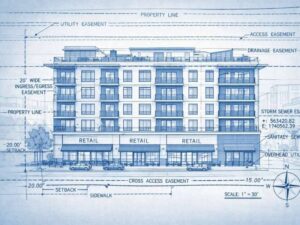
For example, staking one building footprint takes far less effort than staking a full site with curbs, utilities, drainage structures, and grade points. Each added feature needs positioning, marking, and verification. As a result, price grows with complexity, not just square footage.
That’s why two similar lots can produce very different construction survey quotes. The work requested — not the map outline — drives the number.
Site Conditions Can Slow or Speed the Work
Next, think about the job site itself. Some sites allow smooth instrument setup and clear sight lines. Others create constant obstacles. Trees, fencing, traffic, elevation shifts, and active equipment all affect how crews operate.
When access becomes difficult, crews reposition more often. They also take extra safety steps. That adds time even when the layout points stay the same. Therefore, surveyors always ask about site conditions early. They need that detail to price accurately.
In short, an easy site costs less to survey than a restricted one — even if both measure the same size.
Precision Requirements Raise the Effort Level
Not every layout point needs the same accuracy. Some construction elements allow wider tolerance. Others demand tight precision because later work depends on exact placement.
For instance, rough grading stakes allow flexibility. Structural column layout does not. Machine control points also require higher accuracy and more verification. Surveyors must repeat measurements and confirm results before releasing those points.
Greater precision always increases workload. More checks mean more time. Consequently, tolerance requirements directly affect construction survey pricing.
Deliverables Add Significant Office Time
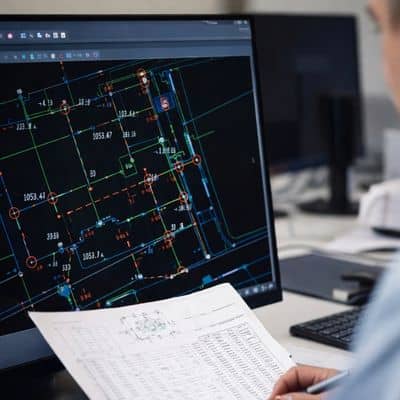
Another factor many clients overlook involves deliverables. Field staking may finish in hours, but deliverable preparation can take just as long — sometimes longer.
Surveyors often prepare coordinate files, cut sheets, CAD overlays, staking reports, or digital models. Different contractors request different formats. Each format requires processing and review.
Because of that, two construction survey quotes may differ simply because one includes expanded deliverables. The field work may match — yet the office workload does not.
Lower Quotes Often Mean Narrower Scope
When reviewing bids, you might see one number that looks much lower than the rest. Naturally, that feels attractive. However, lower pricing often reflects limited scope — not higher efficiency.
One quote may include verification checks and digital outputs. Another may only include basic point staking. Without matching scope, price comparisons mislead.
Therefore, always read what the construction survey quote includes. A lower price may still work — but only if it covers what your project truly needs.
Plan Revisions Change the Workload
Construction plans rarely stay frozen. Designers adjust layouts. Contractors shift field decisions. Owners request updates. Each revision changes staking requirements.
When plans move, surveyors must recompute positions and sometimes revisit the site. That additional work affects the final cost. Many firms separate revision work from base pricing for this reason.
So instead of asking whether changes cost more, ask how they get billed. Clear revision policy protects both sides.
Better Information Produces Better Estimates
Fortunately, you can help improve estimate accuracy. When clients share full plan sets, feature lists, and tolerance expectations, surveyors price with greater precision. That reduces surprises later.
Clear communication also speeds the quoting process. Surveyors don’t need to guess scope when clients define it upfront. As a result, both sides work from the same expectations.
Construction Survey Cost Reflects Responsibility, Not Just Time
A construction survey supports everything that follows — excavation, foundations, utilities, and structures. Builders and engineers rely on those measurements. Because of that responsibility, pricing reflects precision, verification, and documentation — not just hours on site.
While price matters, scope clarity matters more. When you understand what goes into the work, quote differences stop looking random. They start looking logical.
And that’s the real takeaway: the right construction survey price isn’t the lowest number. It’s the number that matches the work your project truly requires.