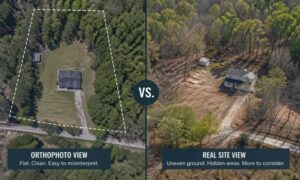
Cleveland is rolling out a new AI parcel imaging project, and many homeowners are already wondering what it means for them. The city will mount cameras on public vehicles and use software that scans properties for changes, damage, or possible violations. It’s fast, modern, and efficient. However, this new system may also lead to more homeowners needing a property survey, especially when the AI spots something unusual. And because AI can only “see” the outside of a home, it can’t replace what a licensed surveyor does.
This shift is big for anyone who owns, buys, or plans to improve property. While AI tools help the city update its records faster, they also create more moments where a homeowner might need a survey to clear things up.
AI Is Changing How Cleveland Reviews Properties
For years, Cleveland inspected parcels the old-fashioned way. City workers went door to door, took notes, and updated property data by hand. The last time the city completed a full physical inspection, it cost more than $170,000 and took six months to finish. That kind of workload is tough to repeat often, which leaves property records aging or outdated.
Now the city is trying something faster. Vehicles will drive through neighborhoods and collect images. An AI tool will review the photos and flag anything that looks unusual—like an unsafe structure, a broken roofline, or an unexpected add-on that might not match permit records. In many ways, this helps Cleveland stay on top of property issues. It also helps spot hazards or violations earlier.
Still, AI has limits. It cannot confirm boundaries. It cannot verify measurements. It cannot read a deed. And it cannot prove whether an addition sits inside or outside a legal property line. When a home gets flagged by the AI, the city might follow up. That’s where a real survey becomes important.
What AI Can See—and What It Misses Completely

AI imaging is great at noticing visible problems. It can detect sagging roofs, overgrown lots, or structures that look unsafe. It can compare property photos from year to year and point out changes. Because of this, the city can respond faster when something needs attention.
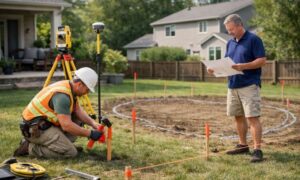
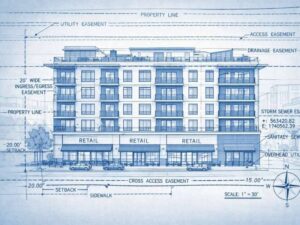
But AI cannot do what a surveyor does. It cannot identify true boundary lines. It cannot confirm where fences or sheds legally sit. It cannot mark exact points on the ground. It cannot show easements, setbacks, or underground utilities. It cannot produce a legal document for selling or building.
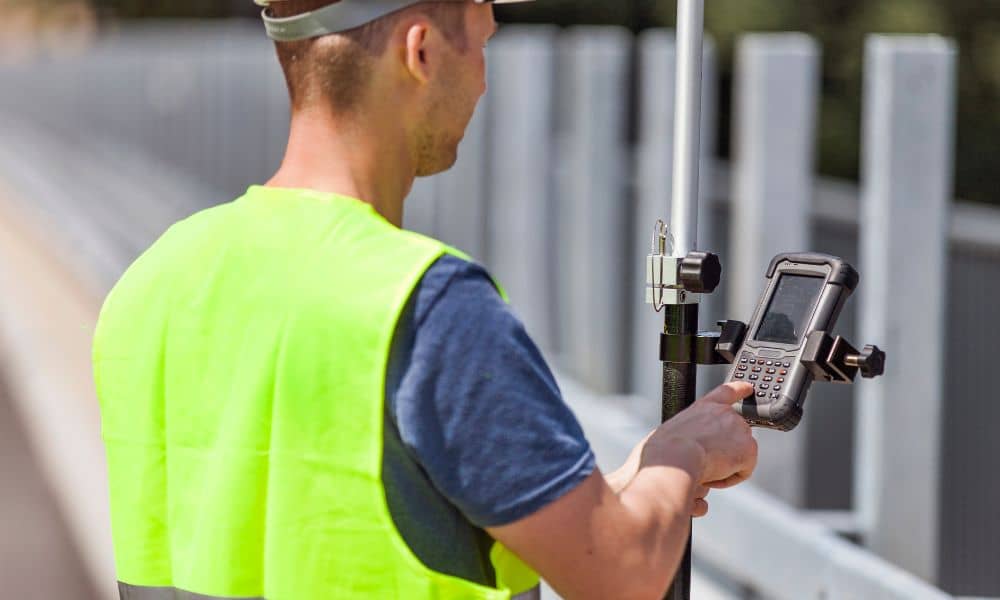
A property survey is precise and based on measurements, records, and physical markers. AI is just scanning images. This gap creates situations where technology raises a question, but only a surveyor can give the actual answer.
Why This Could Lead to More Property Survey Requests
Even though the AI project is new, its impact will grow quickly. As the system flags more parcels, homeowners may receive notices sooner than before. These notices are not always bad news, but they often require clarity. That clarity usually comes from a survey.
Here are a few common scenarios residents might face:
A notice may arrive if the AI sees something that looks different from last year—a new shed, a fence extension, or a changed roofline. Homeowners will want to prove everything is within the property line or built correctly. A survey gives that proof.
AI may flag a fence that appears too close to the neighboring lot. Since the tool can’t measure distance, a surveyor becomes the only person who can confirm the truth. Because of this, many owners will want a property survey before the city asks.
Home sales might also move faster. Buyers expect accuracy, and with the city updating images more often, they may question old survey documents. A fresh survey helps prevent surprises during closing.
Even small home projects—like decks, garages, or porches—require exact boundaries. With AI watching for changes, homeowners will want to ensure improvements don’t lead to violations later.
And as the city gathers more images, disputes between neighbors may rise. Shared fences, tree lines, or yard space often cause tension. A survey settles those questions quickly.
In every situation, a survey protects homeowners and keeps projects on track.
AI Isn’t Replacing Surveyors—It’s Creating New Reasons to Call One
Some people worry that AI might take over the surveying process. That’s not happening. AI cannot create legal documents, measure land, or verify property lines. Instead, it creates more opportunities where a homeowner needs a real survey to support the city’s new data flow.
Think of AI as a spotlight. It shows where something might be wrong. But a surveyor still provides the real answers. With Cleveland using this spotlight more often, more questions will naturally appear.
Why Homeowners Should Care Now—Not Later
Many people wait until they are selling or building to think about their boundaries. But this new AI rollout means issues could appear without warning. A home that seemed fine for years might suddenly show up in a city report with a note like “possible structure change.” When that happens, being unprepared slows everything down.
Getting ahead of the process gives homeowners control. With a recent property survey in hand, they can show proof quickly. They can correct city records, avoid delays, and move forward with confidence.
When a Property Survey Makes Sense in 2025
You don’t need a survey every year, but there are moments when it really helps. In Cleveland’s new system, surveys will be especially useful when:
- A notice or code letter arrives
- You plan to build or add something new
- A neighbor questions a fence or structure
- A refinance or sale is coming up
- A past survey is more than 10 years old
- City AI images show changes that aren’t accurate
With more frequent imaging, these moments may appear more often for more people.
Final Thoughts:
Cleveland’s AI parcel imaging project is an impressive step toward smarter city management. It brings speed, efficiency, and a fresh look at thousands of properties. But it also raises new questions that only trained surveyors can answer.
If the AI flags something near a boundary, or if you plan to build soon, property surveys become your best protection. They keep your records clear, your home improvements safe, and your future plans moving smoothly.
As 2025 approaches, staying ahead of the process will save time, money, and stress. AI may be changing the way the city reviews properties, but accurate surveying remains the tool that gives homeowners peace of mind.