If you’re buying land or planning to build, you’ve probably heard about the perc test. A perc test, short for percolation test, checks how quickly soil absorbs water. For decades, counties used this test to decide if a property could support a septic system. Simple enough, right? But here’s the problem: in years like this, when Ohio is in a drought, the results can trick you into thinking your soil is better than it really is.
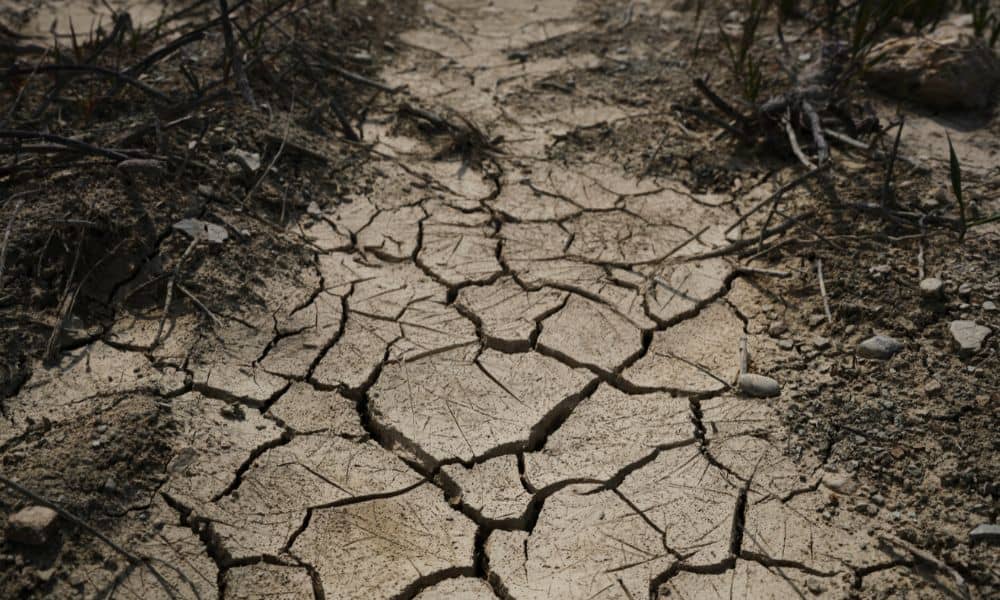
The Miami Valley is now experiencing some of the driest conditions in recent memory. Drought maps show Montgomery County and surrounding areas falling behind on rainfall. Dry soil drains much faster than normal, so a hole in the ground can look like it’s passing with flying colors. Once the rains return, that same site could fail, leaving you with unexpected costs and a system that doesn’t perform.
What a Perc Test Measures
A perc test is meant to measure soil’s ability to absorb wastewater from a septic system. Inspectors dig test holes, pour in water, and time how fast the water level drops. If the soil drains within the accepted range, the site “passes.” If it drains too slowly, the site “fails,” and the homeowner must explore alternative systems or even walk away from the project.
On paper, this method sounds fair. In practice, soil conditions change every season. In Dayton, where heavy clay soils are common, timing matters. After weeks of rain, soil becomes saturated and drains slowly. During drought, the opposite happens: soil can drain too quickly, which makes it appear suitable when it might not be once normal moisture levels return.
Why Drought Creates False Results
Soils are like sponges. When they’re bone-dry, they soak up water quickly. That’s exactly what’s happening across Montgomery County right now. A perc test during a dry spell gives you an artificially fast rate. The numbers may suggest your lot can handle a standard leach field, but the truth is different.
Once winter snow or spring rains arrive, that same soil swells, clogs, and slows drainage. Suddenly the “passing” perc test doesn’t match reality. Homeowners may discover too late that the system backs up or requires expensive engineered alternatives such as drip distribution, low-pressure dosing, or mound systems. These options can cost tens of thousands of dollars more than a conventional trench system.
In other words, drought makes the soil look more forgiving than it really is. It’s a false sense of security.
The Local Twist: Doesn’t Rely on Perc Tests Anymore

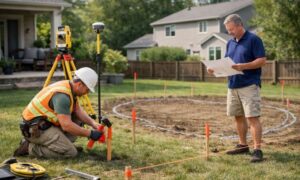
Here’s another detail many people don’t realize: Montgomery County no longer uses the traditional perc test as the deciding factor. Since 2007, the county health department requires a soil and site evaluation instead. A certified soil scientist studies the property, looking at the soil layers, the seasonal high water table, slope, and lot layout.
This approach is far more accurate than timing water in a test hole. Still, buyers and builders continue to search for “perc test” because that’s the phrase everyone knows. If you call it that when talking to neighbors, they’ll get it. But when dealing with the county, you need the proper soil evaluation to move forward.
Real Risks for Buyers and Builders
Why does this matter right now? Because families are still making big decisions based on outdated assumptions. Picture this:
- A couple buys a rural lot outside Dayton after a perc test shows quick drainage during September’s drought.
- They start designing a three-bedroom home, planning for a standard septic system.
- Come spring, the soil swells and water tables rise. The health department says the original test no longer reflects site conditions. Now they need an engineered system at twice the cost.
This scenario isn’t rare. Ohio’s clay-heavy soils and fluctuating water tables make septic planning tricky. Drought only raises the odds of a surprise.
How to Protect Yourself
If you’re considering land, here’s how to avoid a nasty surprise. First, schedule a full soil and site evaluation with a certified professional, not just a quick perc hole. Second, ask questions about seasonal high water tables and limiting layers. These factors matter more than the speed of drainage on a dry day.
Also, be cautious about timing. If you can, schedule evaluations when soil moisture is closer to average, not at the peak of drought or right after heavy rains. And don’t hesitate to request a second opinion. A small investment up front can save you from a system that costs $50,000 or more to install.
Connecting the Dots
The headlines about drought across Ohio may feel distant, but they hit close to home when you’re standing on a vacant lot in the Miami Valley. A perc test during dry weather may whisper, “Build here, it’s fine.” The rains that follow will tell the real story.
That’s why Montgomery County shifted away from relying on perc results alone. Soil evaluations give a fuller picture, reducing the risk of costly mistakes. Yet many buyers still ask for a perc test out of habit.
Final Thoughts
Building a home is a major investment. Don’t let a drought-season perc test trick you into a false sense of security. The short-term results may look good, but long-term performance depends on real soil science, not a snapshot in dry weather.
If you’re serious about moving forward, talk to a licensed professional and arrange a soil and site evaluation that meets standards. It’s the surest way to build with confidence and avoid costly surprises later.