
Selling a home is rarely simple. But if your property is in a floodplain, like some neighborhoods in Toledo, there’s an extra step that can make or break your deal — getting an elevation certificate.
Many sellers don’t think about this document until a buyer or lender requests it. By then, it can cause delays, raise insurance questions, or even push a buyer to look elsewhere. If you’re selling in a flood-prone area, it’s better to be prepared from the start.
What Is an Elevation Certificate?
An elevation certificate is an official document prepared by a licensed land surveyor. It measures your home’s elevation compared to the base flood elevation set by FEMA. This helps determine your property’s flood risk.
In Toledo, where some areas near the Maumee River and Swan Creek are in designated flood zones, this document is often required for buyers to get flood insurance or mortgage approval.
Why Sellers in Toledo Need One Before Listing
If your home is in a mapped floodplain, most lenders and insurers will need to see an elevation certificate before finalizing a sale. Having it ready offers several advantages:
- Faster closings – You avoid delays caused by last-minute document requests.
- Buyer confidence – Showing the certificate upfront proves you’re transparent about the property’s risk.
- Insurance clarity – Buyers can get accurate flood insurance quotes early in the process.
How an Elevation Certificate Can Help Your Sale

Imagine a buyer finds their dream home in Toledo’s Old West End, but during the loan process, the lender asks for an elevation certificate. If you don’t have it, the closing could be delayed by weeks — or the buyer could back out.
When you provide this document at the start, buyers know exactly what they’re dealing with. It can also make your home more appealing compared to similar properties without the paperwork ready.
How to Get an Elevation Certificate in Toledo
Getting an elevation certificate isn’t complicated, but it does require a licensed surveyor. Here’s how it usually works:
- Hire a licensed land surveyor in Ohio experienced in floodplain properties in Toledo.
- Provide property details, including the address and any past certificates if you have them.
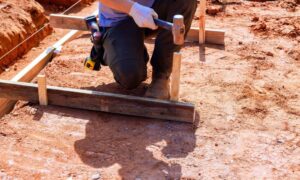
- Surveyor visits the property to take measurements and collect elevation data.
- Receive your certificate in both digital and printed form.
The process can take a few days to a couple of weeks, depending on the surveyor’s schedule and the property’s complexity.
Risks of Selling Without an Elevation Certificate
If you skip this step, you might face:
- Closing delays while the buyer orders their own certificate.
- Lost buyers who don’t want to wait or take the risk.
- Lower offers if buyers factor in the extra cost and time.
Tips for Using Your Elevation Certificate Effectively
Once you have the certificate, make it work for you:
- Include it in your listing’s documentation.
- Share it during showings or open houses.
- Keep multiple copies for quick distribution to serious buyers.
For other property measurement needs, you can explore Toledo land surveying services to ensure your records stay accurate.
Final Thoughts
Selling a floodplain home in Toledo, comes with unique challenges. One of the smartest moves you can make is to get your elevation certificate before you even list your property. It helps avoid surprises, builds buyer trust, and keeps your sale moving forward.
In the end, it’s a small step that can save you time, money, and stress — and might be the difference between a stalled sale and a smooth closing.
FAQs:
1. Is an elevation certificate required to sell every home in Toledo?
No. It’s typically required only if your property is in a FEMA-designated floodplain. You can check this by looking at local flood maps or asking your surveyor.
2. How long is an elevation certificate valid?
There’s no set expiration date, but if your property’s structure or surrounding grade changes, you may need an updated certificate.
3. How much does an elevation certificate cost in Toledo?
Prices vary, but most homeowners pay between $300 and $800 depending on property size and complexity.
4. Can I use an old elevation certificate from a previous owner?
Yes, as long as the structure and site conditions haven’t changed. However, lenders may prefer a recent survey for accuracy.
5. Will having an elevation certificate lower flood insurance costs?
It can. If the certificate shows your home is above the base flood elevation, your insurance premiums may be reduced.