
Most homeowners don’t think about property lines until something forces them to. One day everything feels fine. The next day, you’re planning a fence, talking to a contractor, or hearing a neighbor say, “I don’t think that’s your land.” That’s usually when people start searching property surveyors near me and hoping for quick answers.
In Columbus, this happens more often than you might expect. Lots can be tight, older records don’t always match what’s on the ground, and many boundaries rely on assumptions passed down over the years. Because of that, homeowners often ask the same question:
Do I really need a property line survey right now?
What a Property Line Survey Really Does
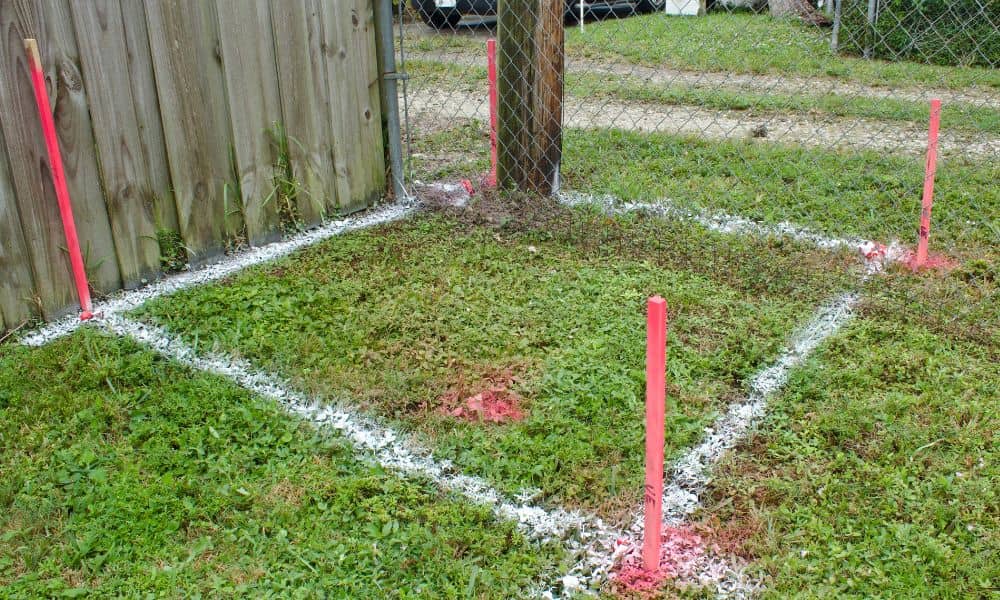
A property line survey shows the legal boundaries of your land as they exist today. A licensed surveyor studies recorded documents, measures the property, and marks where your lot begins and ends on the ground.
That matters more than people realize. Fences, garages, sheds, and additions must stay within your boundary. Even being off by a foot can cause problems later. While online maps and old sketches can give a rough idea, they don’t legally confirm anything.
A property line survey removes doubt. Instead of guessing, you get clear answers.
Property Line Survey vs. Mortgage Survey
This is where many homeowners get tripped up.
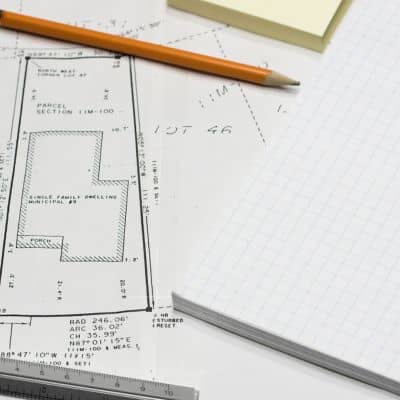
A mortgage survey is made for lenders. It shows the house and visible improvements, but it does not confirm exact boundary lines. It also comes with disclaimers that limit how it can be used.
A property line survey does something different. It focuses on the boundary itself. It’s the survey used when accuracy matters, especially for building, disputes, or long-term planning.
So if your goal is to know where your land legally ends, a mortgage survey won’t give you that protection. A property line survey will.
When You Do Need a Property Line Survey
Some situations make a survey more than just helpful. In these cases, it’s the smart move.
Installing a fence or wall is one of the most common reasons homeowners need a survey. In Columbus neighborhoods, lots often sit close together, and small errors add up fast. Once a fence goes in, moving it later can be expensive and uncomfortable.
Building or expanding a structure is another key moment. Garages, room additions, sheds, and workshops all come with risk. Permits focus on zoning and setbacks, but they don’t confirm property lines. If a structure crosses the boundary, fixing it later can cost far more than checking first.
A survey also matters when a neighbor questions the boundary. These conversations usually start small, but they don’t always stay that way. Old memories or verbal agreements don’t settle legal questions. A property line survey provides a clear, neutral answer.
Buying or selling property with tight lot lines is another situation where surveys help. Older Columbus neighborhoods often have unclear or outdated records. A survey avoids surprises and keeps deals from stalling late in the process.
Finally, if there is no recent survey on file, getting one brings clarity. Inherited properties and long-held lots often fall into this category.
When You Probably Don’t Need a Property Line Survey
Not every situation calls for a survey, and that’s important to say.
Interior renovations don’t affect boundaries. Landscaping that stays well inside your lot usually doesn’t either. If you already have a recent, recorded property line survey and nothing has changed, you may be covered.
The key factor is confidence. If you feel unsure or uneasy, that hesitation often means it’s worth looking deeper.
What to Check Before Calling a Surveyor
Before reaching out, gather a little background information. Start with your deed and review the legal description. Check recorded plats for your subdivision. Franklin County parcel records can also provide useful context.
These tools help you understand the big picture. Still, they don’t replace measurements taken on the ground. They guide decisions, but they don’t confirm boundaries.
How Much a Property Line Survey Costs
Survey costs vary, and that’s normal. Several factors affect pricing.
Lot size matters. Record clarity matters too. Urban properties often require more research, and terrain or access can also affect the work involved.
While it may be tempting to choose the lowest price, cheaper surveys sometimes miss important details. Fixing mistakes later almost always costs more than doing it right the first time.
Why Getting a Property Line Survey Early Saves You Stress
Many homeowners delay surveys to save money. Unfortunately, that delay often leads to higher costs later.
Moving a fence, redesigning a structure, or settling a dispute can quickly become expensive. Beyond money, there’s also peace of mind. When you know your boundaries, decisions feel easier and projects move faster.
Local Resources Homeowners Can Use
Columbus and Franklin County offer helpful online tools, including parcel searches and GIS maps. Recorded plats can also show how neighborhoods were divided.
These resources help you get oriented. However, they don’t replace a survey. They cannot confirm what is legally true on the ground today.
How to Know It’s Time to Call a Surveyor
If you feel uncertain about a boundary, that’s one sign. If a neighbor raises concerns, that’s another. Planning to build, sell, or make changes near a property line is also a strong signal.
People searching for a property surveyor near me usually want clarity and peace of mind. A property line survey provides both.
Final Thoughts
You don’t always need a property line survey. Still, when you do, it protects your time, your money, and your relationships.
In Columbus, where properties often sit close together and history runs deep, guessing can be costly. Knowing when to act—and when you can wait—puts you in control.
If your next decision touches a boundary, getting clear answers early makes everything easier.