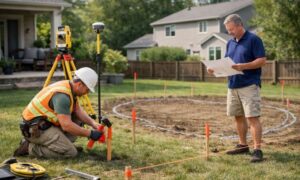

Before starting a commercial project in Columbus, it’s important to know exactly what you’re working with. From property boundaries to access rights, the details matter. That’s where an ALTA survey comes in. These surveys help property buyers, developers, and lenders avoid costly mistakes and delays by providing accurate, legal information about a site.
Whether you’re buying, refinancing, or developing a property, an ALTA survey ensures you understand the land—and its legal boundaries—before the first shovel hits the ground.
What Is an ALTA Survey?
An ALTA survey is a detailed map of a property that follows national standards set by the American Land Title Association. It combines a boundary survey with legal records and title information, giving a full picture of a commercial property.
Key Components of an ALTA Survey:
- Property boundaries and lot dimensions
- Existing structures and improvements
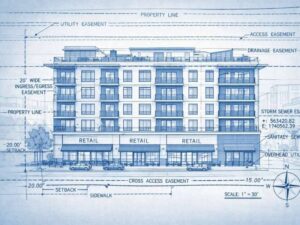
- Easements (shared use of land, like utilities or driveways)
- Encroachments (structures crossing property lines)
- Rights-of-way and legal access paths
- Zoning and setback information
These details help all parties—buyers, lenders, architects, and attorneys—make informed decisions.
Who Needs an ALTA Survey in Columbus?
ALTA surveys aren’t just for big developers. In Columbus, anyone involved in a commercial real estate deal may need one:
- Property buyers and sellers
- Developers starting a new construction project
- Lenders providing financing
- Title companies issuing insurance
- Attorneys reviewing legal ownership and access
If the property has complex history, shared access, or unusual boundaries, an ALTA survey is especially important.
When an ALTA Survey Is Required
- Buying or selling commercial property
- Securing title insurance
- Getting a commercial loan
- Redeveloping a site or changing land use
Ohio-Specific ALTA Requirements and Considerations
In Ohio—and Columbus in particular—property lines and access can be affected by older infrastructure or outdated plats. Cities like Columbus often have properties that have been divided or adjusted over decades.
Local Zoning and Permitting
Columbus zoning codes are specific about building placement, easements, and access. An ALTA survey helps ensure your site layout follows all local rules, including:
- Setbacks (distance from property lines)
- Right-of-way limitations
- Frontage requirements
- Height and use restrictions
Title Company and Lender Requirements in Columbus
Most lenders and title insurance companies require an ALTA survey before approving loans or issuing coverage for commercial properties.

Key Documents Involved:
- Schedule A – Describes the property being insured
- Schedule B-II – Lists exceptions, such as easements or encroachments
An ALTA survey matches these documents with real-world conditions, protecting all parties from legal issues later.
How ALTA Surveys Prevent Legal Disputes and Delays
Imagine buying a property, only to find out a fence crosses the boundary or a utility easement prevents building where you planned. These are common problems an ALTA survey helps avoid.
By showing the true boundaries and legal rights tied to the land, the survey:
- Prevents boundary disputes
- Confirms legal access
- Ensures compliance with zoning
- Reduces permit rejections or revisions
Digital Integration: ALTA Surveys and Planning Tools
ALTA survey files can be used with CAD, GIS, and other digital design tools. This makes it easier for architects, engineers, and planners to design accurately—reducing rework and saving time.
Cost of ALTA Surveys in Columbus, OH
The price of an ALTA survey depends on the size and complexity of the property, but most commercial ALTA surveys in Columbus range from $2,000 to $6,000.
Factors That Affect Cost:
- Property size and location
- Number of easements and title exceptions
- Level of detail requested (Table A items)
- Timing and urgency
Choosing a Columbus-Based Surveyor for ALTA Surveys
When hiring a surveyor in Columbus, look for:
- Ohio state licensure
- Experience with commercial properties
- Familiarity with Columbus zoning and permitting
- Positive client reviews or references
Avoid choosing based on price alone. A quality ALTA survey protects your project and helps avoid expensive issues later.
Step-by-Step: How to Order an ALTA Survey in Columbus
- Choose a licensed land surveyor
- Obtain a current title commitment (including Schedule A and B-II)
- Discuss “Table A” options with your lender or title company
- Schedule the site visit and deliver documents
- Review and share the final survey with all parties
FAQs
1. Are ALTA surveys mandatory for commercial loans?
Yes, most lenders require them to confirm legal access, boundaries, and title-related risks.
2. How long does an ALTA survey take in Columbus?
Usually 2–4 weeks, depending on property size and complexity.
3. Can an old survey be reused or updated?
Yes, if the site hasn’t changed and your lender approves it. Otherwise, a new one is safer.
4. What if the property has no easements listed?
An ALTA survey will help confirm whether any unrecorded easements exist and whether the title needs updates.