A private sewer easement can turn a simple home purchase into a slower closing. The easement gives someone the right to run, reach and repair a sewer pipe across part of a lot. That someone might be a neighbor, a homeowners association or the owner of a privately built sewer.
A loan closing survey shows your lender and title company where that right sits on the ground. It also shows whether anything on the lot stands in the way. Columbus has a full city code chapter on private sewers, so these arrangements come up in real closings here. Buyers who ask about the easement early give everyone time to sort out questions before closing day.
Match the Private Sewer Easement to the Closing Documents
The survey and the title commitment should describe the same sewer easement. The title commitment is the title company’s list of what it will and won’t insure. It names recorded easements in its exceptions section, often with an instrument number from the Franklin County Recorder.
Your surveyor uses that reference to pull the actual easement document. If the document gives a width and a location, the surveyor can draw the strip on the survey drawing. Some older easements give no location at all. Surveyors call these blanket easements, and the survey can only note them instead of drawing a defined strip.
Check which way the easement works, too. Some easements let a neighbor’s line cross your lot. Others let your own sewer line cross a neighbor’s lot to reach the public main. The second kind deserves just as much attention because your home may depend on it for service. Send the title commitment to your surveyor as soon as you get it so the two records get compared from the start.
Check Where Sewer Access Crosses the Homesite
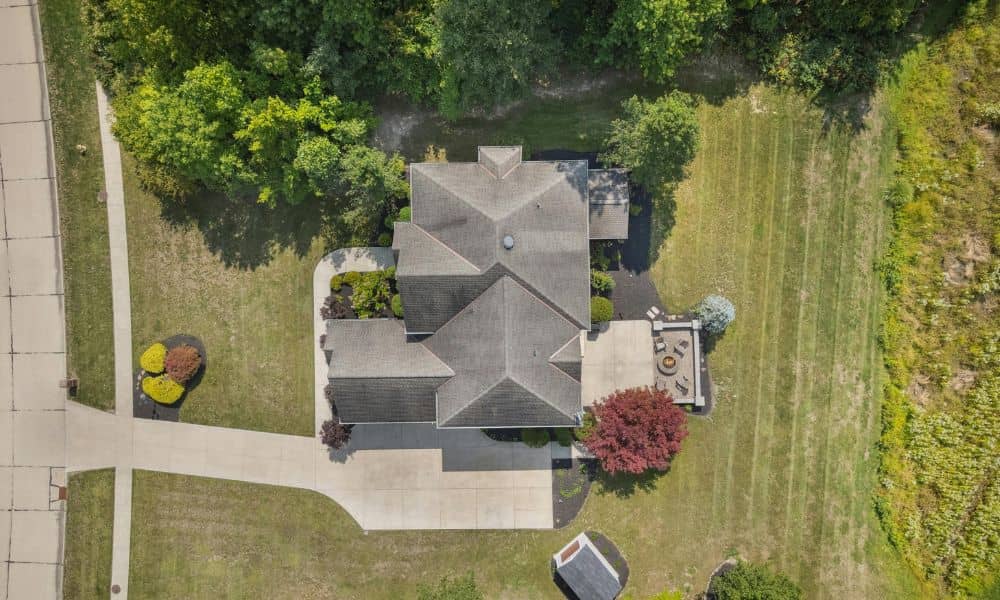
A survey shows the path of the easement in relation to the house, driveway, garage and yard. Crews need room to bring in equipment and dig if the pipe ever fails. A strip that runs under a driveway or close to a foundation tells you a lot about what a future repair could involve.
Surveyors also look for surface clues. Manhole lids, cleanout caps and sunken lines in the lawn can point to where a pipe actually runs. Buried pipe itself stays out of sight, and OHIO811 locators usually mark lines owned by member utilities rather than privately owned sewer lines.
Sometimes the surface clues sit outside the recorded strip. The surveyor can note that difference on the drawing. That note gives your title company and attorney something specific to look into, which beats finding out after you own the home.
Flag Improvements That Could Complicate Sewer Access
A loan closing survey places improvements next to the easement lines, so you can see what sits inside the strip. These items tend to cause the most trouble:
- Fences without a gate wide enough for equipment
- Sheds on concrete slabs
- Decks, patios and hot tub pads
- Garage or room additions
- Retaining walls and large landscape beds
- Trees planted directly over the line
Many sewer easements let the holder enter the strip to maintain the pipe. Some also let the holder remove whatever blocks the work. The exact rights depend on the wording of the recorded easement, so read it before you plan to keep or add anything inside that area.
An item inside the easement does not always stop a closing. It does give you a question to ask. You want to know who pays to move or replace that item if a crew needs to dig.
Resolve Survey and Title Questions Before Closing Day
Most sewer easement issues get easier to fix when you have a few weeks instead of a few days. Your lender needs a clean file, and a late surprise can push the closing date back. Start with these steps once the survey comes in.
Ask the title company whether the survey lets it adjust the standard survey exception in your policy. Ask the seller for any maintenance or cost sharing agreement tied to the sewer line. If the line serves several homes, find out who pays for repairs and how owners split that cost.
Columbus adds one more point to check. Under the city code, hooking a service line into a privately built sewer takes written permission from that sewer’s owner, and the city’s Division of Water Reclamation reviews the connection before issuing a sewer permit. Ask whether that permission exists for the home you’re buying. A missing record doesn’t prove a problem, but it’s worth a phone call before you sign.
Decide Whether the Closing File Needs Further Review
A clean survey that matches the title commitment usually lets the closing move forward. Other results call for a closer look. Watch for a structure inside the easement, a pipe path outside the recorded strip or a line your home depends on with no recorded easement behind it.
Different professionals handle different parts of the answer. A real estate attorney can explain your rights and duties under the easement. The title company can tell you what coverage it will offer. A licensed plumber can run a camera through the pipe to check its condition.
Your surveyor measures, maps and reports what the records and field evidence show. The surveyor does not give legal opinions about who owns the pipe or who must fix it. Knowing which expert answers which question keeps the closing file moving.