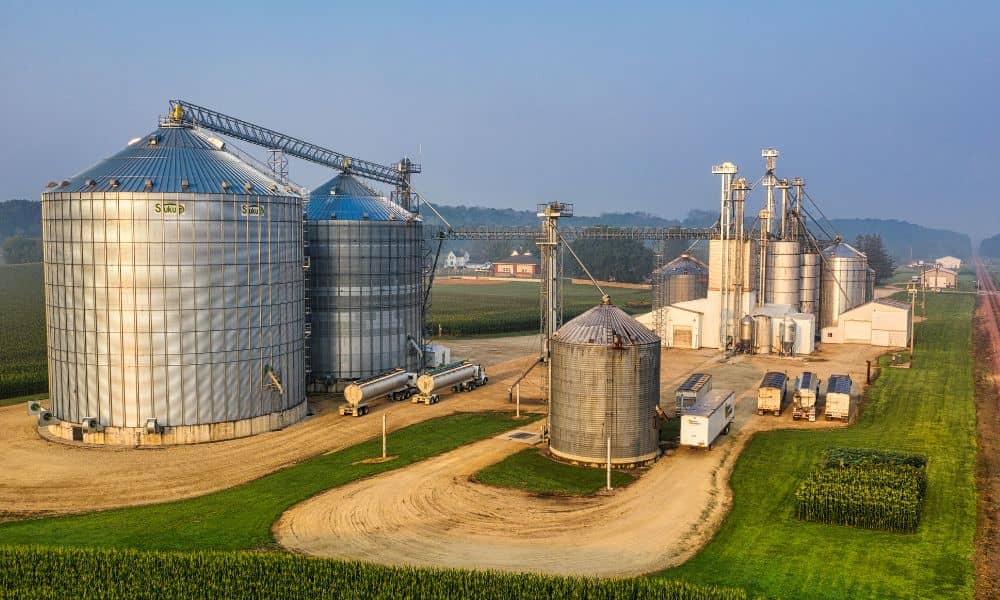
Food makers keep looking at industrial property around Cincinnati. The region has a long history in food and beverage production, and a processing plant needs space, power and a way to move goods in and out. When a site comes with rail service, the search gets more specific. A property that reads well in a listing can still hold problems you only see once you walk the ground.
That is where a due diligence survey helps. It records what is really on the land and how the pieces sit together. For a rail-served food plant, the point is direct. A buyer or developer wants a clear look at the site’s real physical conditions before signing anything.
Start With the Rail-to-Plant Connection, Not Just the Building
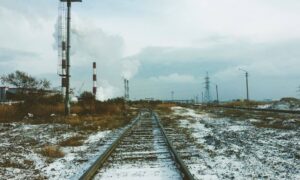
On a rail-served site, the track is part of the plant, not a side detail. So the first thing worth looking at is how the rail spur reaches the property. A survey can map the visible track features and show where they sit next to buildings, paved areas and storage.
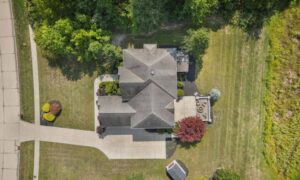
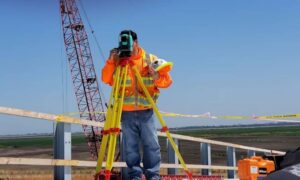
That relationship matters more than most listings show. A photo from above can hide grade changes, tight turns or a spur that ends farther from the dock than expected. Field measurements put real numbers on those distances. If a rail car has to stop short of the loading area, the whole plan for moving product changes.
One point needs to stay clear. A survey shows physical and spatial conditions. It does not decide whether a railroad will actually serve the site. It does not promise switching access or set operating rights. Those questions live in railroad agreements and other records, which sit outside what a surveyor can answer.
Measure the Parts of the Site That Production Will Actually Use
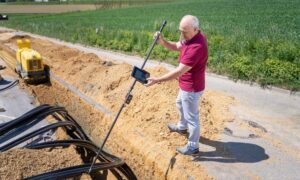
A food plant does not use every square foot the same way. The parts that carry the work are the ones a survey should pin down. Field work can record the production and warehouse building footprints, the rail-served loading areas and the paved surfaces where trucks and equipment move.
It can also show storage structures and outdoor equipment, plus how each piece relates to the property lines. This is where buying assumptions meet reality. During a deal, people picture how the plant will run from a listing or a quick visit. The survey trades that picture for measured conditions, so the layout in someone’s head matches the layout on the ground.
Look for Physical Constraints Before the Facility Changes Hands
Space on paper and space in practice are not the same. Once the survey shows real distances, a buyer can check if the site has room for the plant they have in mind. Maybe a new cold storage addition needs more clearance than the current yard allows. Maybe a truck route crosses the same spot a rail car needs.
These are site-fit questions, and they come up before anyone owns the property. A tight layout can make later changes harder and more expensive. Some conditions the survey turns up will point to other experts, like an engineer, an architect, an environmental professional or a railroad contact. The survey does not answer those questions on its own. It shows the physical facts that tell the buyer where to look next.
Separate Survey Findings From Railroad, Environmental, and Food-Safety Questions
A survey is a strong record of physical conditions. It is not a stand-in for the other reviews a food plant needs. Keeping these separate keeps expectations honest.
A due diligence survey does not replace:
- Railroad service or operating agreements, which set who can use the track and how
- Environmental review of soil, water and past site use
- A structural check of the buildings and their condition
- Food-processing rules and health reviews that the right agencies handle
- Geotechnical work that looks at what sits below the surface
- Building-system checks for things like power, water and drainage
- Railroad engineering review of the track itself
The survey records where things are and how they sit together. The other work answers what condition they are in and what the law allows. A buyer needs both to make a sound call.
Build the Survey Into the Acquisition Timeline Before Decisions Become Expensive
Timing changes how much a survey helps. Order it while the due diligence window is still open, not after the deal closes. That way, real conditions can shape the decision instead of confirming it too late.
Give the surveyor context, too. Tell them about the planned use and how rail fits into it. A surveyor who knows the site will run as a rail-served food plant can flag features that matter for that use. Then share the findings with the rest of the team, like the buyer’s engineer, attorney and railroad contact, so everyone works from the same measured facts.
If the survey shows something you did not expect, look at it before locking in redevelopment plans. A short pause here beats a redesign later. The survey is one input in the larger question of whether the property fits the food-production operation the buyer has in mind.
Around Cincinnati, that question keeps coming up. The region’s steady food and beverage activity keeps specialized industrial sites in play, and rail-served plants sit close to the center of how goods move. A due diligence survey gives buyers a measured look at the ground before they commit.