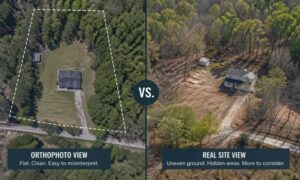

Buying or refinancing commercial real estate in Ohio? You may need an ALTA survey—but when exactly is it required, and who asks for it? If you’re a property buyer, lender, attorney, or title company, understanding when an ALTA survey is required in Ohio is key to avoiding surprises and delays.
This guide breaks down everything you need to know in clear, simple language.
What Makes ALTA Surveys So Important?
If you’ve dealt with commercial real estate, you’ve likely come across an ALTA/NSPS Land Title Survey—a nationally standardized survey used by lenders and title companies. Unlike a basic boundary survey, it reveals property lines, easements, access points, improvements, zoning issues, and more.
The key difference? It’s not just about location—it’s about legal certainty.
That’s why ALTA surveys are often required at specific stages in Ohio property deals. Let’s explore those moments next.
Key Situations Where an ALTA Survey Is Required in Ohio
Here are the most common times when an ALTA survey is required in Ohio:
- Commercial Property Purchases: ALTA surveys are usually mandatory when buying office buildings, warehouses, retail space, or other commercial real estate.
- Title Insurance Coverage: Title companies often require an ALTA survey to issue extended title insurance.
- Lender Requirements: Banks and financial institutions need a reliable survey to evaluate property risks.
- Property Refinancing: For high-value refinances, lenders may request a new ALTA survey.
- Zoning and Development Projects: If you’re applying for permits or planning major upgrades, you’ll need this survey to show compliance.
ALTA Survey Requirements for Buyers
If you’re a buyer, an ALTA survey helps you:
- Confirm the true boundaries of the property.
- See any encroachments, like fences or structures that cross into other lots.
- Identify easements—legal rights that allow others (like utility companies) to use part of your land.
- Ensure the property matches the legal description in the title.
This protects your investment and avoids legal disputes later.
ALTA Survey Requirements for Lenders and Title Companies
Lenders want to reduce their risk before approving large loans. An ALTA survey helps them by:
- Identifying potential access issues or zoning violations.
- Confirming legal rights of use.
- Aligning the property’s physical reality with the legal title.
- Ensuring compliance with the lender’s underwriting policies.
Title companies also use the ALTA survey to detect problems that could affect ownership or title insurance coverage.
Ohio-Specific ALTA Survey Triggers and Regulations
Ohio doesn’t have unique ALTA rules, but local lenders and title companies may have their own standards. Triggers for requiring an ALTA survey in Ohio include:
- Urban property development
- Large-scale commercial transactions
- Lender or underwriter request
- Complex ownership histories
Each county in Ohio may also have different land record formats and survey expectations, so working with a licensed local surveyor is key.
Who Orders and Pays for the ALTA Survey?
Typically, the buyer orders the ALTA survey, especially when a lender or title company requires it. However, payment responsibilities can be negotiated in the contract.
- Buyer responsibility: Common in Ohio commercial deals.
- Shared cost: Sometimes split in negotiations.
- Seller pays: Rare, but possible in seller-friendly markets.
Costs can range from $2,000 to over $10,000, depending on the size and complexity of the property.
Key Deliverables in an ALTA Survey
When you receive your ALTA survey, it should include:
- A detailed survey map (plat)
- Location of buildings, fences, and improvements
- All visible easements and encroachments
- Access points and street connections
- Legal boundary descriptions
- Utility locations (if Table A items are included)
How Long Does an ALTA Survey
The timeline depends on:
- Property size
- Availability of title records
- Access to the site
- Complexity of the legal description
Most ALTA surveys in Ohio take 2–4 weeks, but larger or more complex projects can take longer.
Choosing the Right ALTA Surveyor in Ohio
Pick a surveyor who:
- Is licensed in Ohio
- Understands ALTA/NSPS standards
- Has experience with commercial property
- Knows how to coordinate with title companies and lenders
- Offers clear communication and timely delivery
Working with a professional who knows local land-use laws and county practices will save time and money.
Common ALTA Survey Mistakes to Avoid
- Ordering too late in the deal timeline
- Skipping Table A items that lenders or insurers require
- Hiring a surveyor unfamiliar with ALTA standards
- Assuming an old survey is still valid
- Failing to compare the survey with the title report
Conclusion: Know When an ALTA Survey Is Essential in Ohio
If you’re buying, refinancing, or insuring commercial property, chances are you’ll need an ALTA survey in Ohio. It ensures your deal is secure, your title is clean, and your boundaries are clear. Lenders and title companies rely on it—and so should you.
Don’t wait until the last minute. Talk to your surveyor, lender, or title rep early in the process to avoid delays and surprises.
FAQs
Q1: Is an ALTA survey required for residential properties in Ohio?
Not usually. ALTA surveys are designed for commercial or high-value properties.
Q2: Can I use an old ALTA survey?
Only if it reflects current site conditions and is accepted by your lender and title company.
Q3: Who typically reviews an ALTA survey?
The buyer, lender, title company, and sometimes an attorney.
Q4: Does the ALTA survey show flood zones?
Yes, if requested in Table A. It helps identify FEMA flood zone data.
Q5: Are ALTA surveys legally binding?
They are legal documents created by licensed surveyors, but they must match title insurance and land records to be fully enforceable.