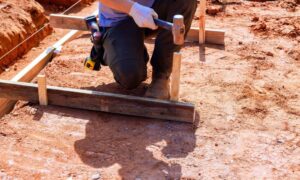
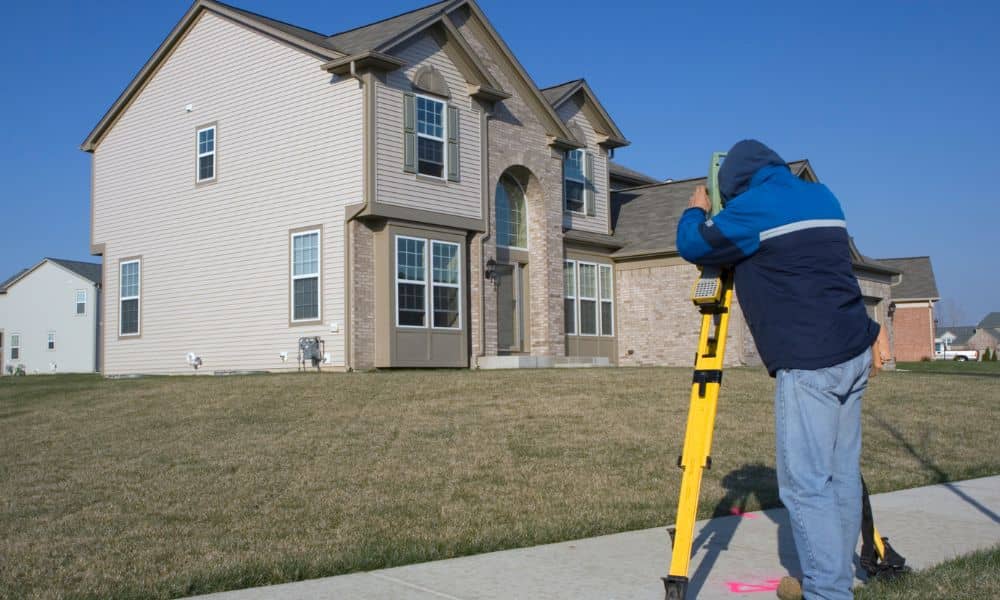
If you spend any time on social media, you’ve probably seen them. A neighbor installs a fence. The other neighbor storms outside. Voices rise. Someone pulls out a tape measure. Then the video cuts to police lights flashing in the background. These viral property line fights might feel entertaining online. However, they turn into expensive nightmares in real life. In many cases, one simple step could have stopped the entire situation: hiring a local surveyor before building anything near a property line.
In Cincinnati, boundary disputes have become more common. Homeowners build fences, decks, patios, and pools faster than ever. Yet many skip one critical step. They assume they know where their property ends. Unfortunately, assumptions create conflict.
Why Boundary Disputes Are Increasing in Cincinnati
Cincinnati has many older neighborhoods. Homes sit close together. In some areas, fences run through backyards that date back decades. Over time, property markers shift, get buried, or disappear completely.
At the same time, more homeowners invest in upgrades. People want privacy fences. They add backyard decks. They install above-ground pools. Because contractors move quickly, projects often start before anyone confirms the true boundary.
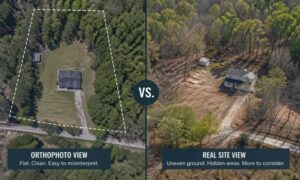
Additionally, online maps make it look easy. A homeowner opens a county GIS map or a real estate website and assumes the lines shown there are exact. However, those maps only show approximate lines. They do not show legal boundaries with precision.
As a result, many homeowners build first and ask questions later. That decision often sparks tension with neighbors.
The Mistakes That Lead to Property Line Fights
Most boundary disputes start with small misunderstandings. However, those misunderstandings grow fast.
First, many people trust existing fences. They assume the old fence sits on the correct line. Yet past owners sometimes installed fences without a survey. Over time, repairs shift the fence even more.
Second, some homeowners measure from their house instead of from their deed. Houses do not always sit square to the lot. Even a small angle difference can move a fence several inches onto a neighbor’s land.
Third, contractors sometimes estimate boundaries based on visual markers. Contractors build structures well, but they do not determine legal property lines. Only a licensed professional can do that.
Finally, emotions take over. When someone feels that their land has been taken, even by a few inches, trust disappears quickly.
What a Local Surveyor Actually Does
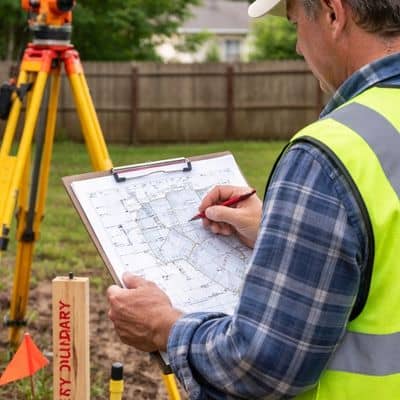
Many people think a survey simply means measuring land. In reality, a local surveyor does much more.
First, the surveyor researches your deed and records plats. These documents describe your legal boundary in writing.
Next, the surveyor visits your property and searches for physical markers. These markers may sit underground, near sidewalks, or in wooded areas.
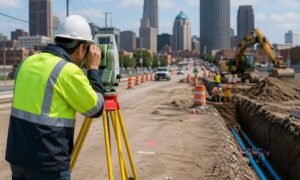
Then, the surveyor uses professional equipment to measure exact distances and angles. This process confirms the true property corners.
After that, the surveyor identifies any encroachments. An encroachment happens when a fence, shed, or driveway crosses onto another property.
Finally, the surveyor provides clear documentation. That documentation protects you if questions arise later.
Because a local surveyor understands Cincinnati subdivisions, lot layouts, and common boundary issues, they can spot problems quickly. That local experience makes a difference.
The Real Cost of Getting It Wrong
Some homeowners avoid hiring a survey because they want to save money. However, skipping a survey often costs far more.
Imagine installing a $10,000 privacy fence. A week later, your neighbor claims it crosses onto their yard. Now you must hire a survey anyway. If the fence sits in the wrong place, you must remove and reinstall it.
Legal letters may follow. Attorneys charge hourly rates. Court cases take months. Meanwhile, your relationship with your neighbor becomes tense.
In some cases, property disputes delay home sales. Buyers hesitate when they see unresolved boundary questions. As a result, your property value may suffer.
Compared to those risks, hiring a local surveyor before construction makes financial sense.
When You Should Call a Local Surveyor
Many homeowners ask, “Do I really need a survey?”
If you plan to build near a property line, the answer is usually yes.
For example, you should contact a local surveyor before installing a fence, building a deck close to the edge of your lot, adding a driveway extension, or placing a storage shed near a boundary.
You should also call if you cannot find your corner markers. Missing markers often signal that boundaries need verification.
Additionally, if a neighbor questions your property line, do not argue based on guesswork. Instead, bring in a professional to clarify the facts.
Taking action early prevents conflict later.
Why Working with a Local Surveyor Matters
Not all properties share the same layout. Cincinnati includes hillside lots, tight urban parcels, and older subdivisions with complex histories.
A local surveyor understands how these neighborhoods developed. They know where to search for original markers. They also understand local recording practices and common boundary challenges in the region.
Furthermore, working with someone local allows easier communication. You can ask questions, request clarifications, and receive guidance specific to your property.
That personal connection builds trust. In stressful situations, trust matters.
How to Avoid Becoming the Next Viral Dispute
Social media makes boundary fights look dramatic and even funny. However, the stress behind those videos feels very real.
So, before you build, pause.
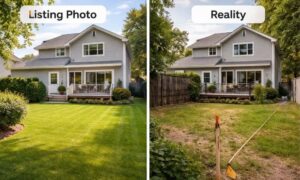
Do not rely on old fences. Do not trust online maps. Do not guess based on where the grass changes color.
Instead, speak with a local surveyor. Confirm your boundaries. Share the information with your neighbor before construction begins.
That simple step turns a potential conflict into a smooth project.
In the end, a fence should protect your privacy—not start a neighborhood war.
If you plan a backyard upgrade, take the safe route. Hiring a local surveyor protects your investment, your property rights, and your peace of mind.